
Reviving India’s Water Heritage: Drishti Foundation Trust Restores a 900-Year-Old Stepwell in Mehmadabad
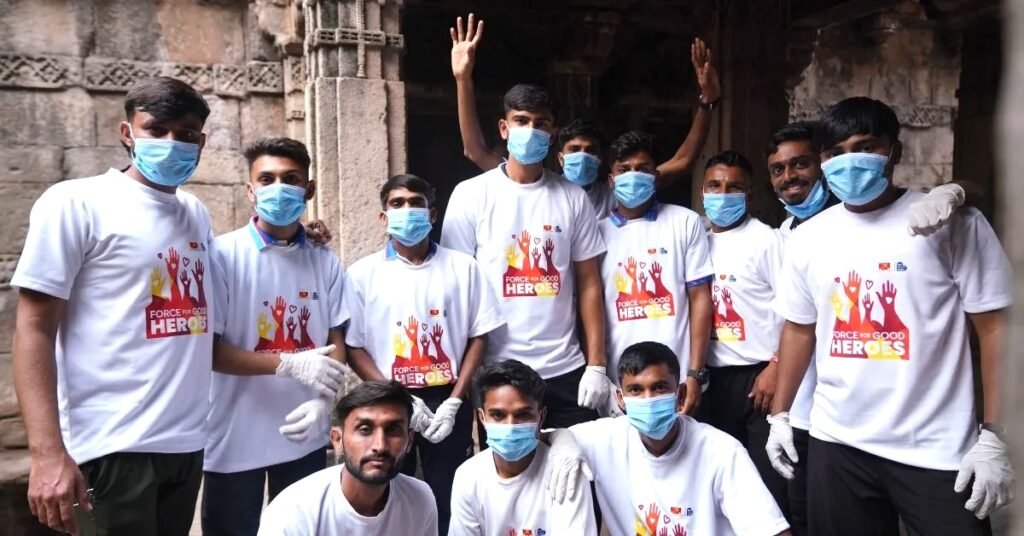
India has a long and remarkable history of sustainable water management rooted in traditional knowledge and community-driven practices. Among the most iconic examples of this wisdom are stepwells ingenious water harvesting structures that were once central to daily life in many parts of the country. Designed centuries ago, stepwells were not merely architectural landmarks but also vital systems for water conservation, groundwater recharge, and community interaction. Over time, however, many of these historic structures have fallen into neglect due to urbanization, changing water supply systems, and lack of maintenance. Recognizing the urgent need to restore these traditional water conservation systems, Drishti Foundation Trust has taken a significant step by restoring a 900-year-old stepwell in Mehmadabad, located in the Kheda district of Gujarat, with the support of Aditya Birla Group. During the restoration process, more than 700 kilograms of garbage were removed from the stepwell, bringing new life to this historic structure and highlighting the importance of heritage based water conservation initiatives.
Drishti Foundation Trust is a non-profit philanthropy organization with more than a decade of experience in social development and environmental sustainability. The organization holds Special Consultative Status with the United Nations Economic and Social Council (ECOSOC) since 2017 and has accreditation from the United Nations Environment Programme (UNEP). Over the years, the foundation has been actively working across multiple sectors including health, education, river rejuvenation, ocean cleaning, water conservation, pond cleaning, tree plantation and maintenance, wildlife protection, disaster management, and ecosystem and biodiversity conservation in India. Through research-driven initiatives and community engagement, the organization aims to promote sustainable development while preserving natural resources for future generations. The restoration of the historic stepwell in Mehmadabad represents one of the many initiatives undertaken by the foundation to revive traditional water conservation systems and protect India’s environmental heritage.
Stepwells, commonly known as “Vavs” or “Baolis” in many regions of India, are remarkable examples of ancient engineering and architectural brilliance. These structures were developed to address water scarcity in arid and semi-arid regions by collecting and storing rainwater and groundwater. Built with deep wells connected by flights of steps leading down to the water level, stepwells allowed people to access water even during the driest seasons. The unique design of these structures also helped keep the water cool and protected from evaporation. In addition to serving as water storage systems, stepwells often functioned as community gathering spaces where people met, rested, and performed cultural or religious activities. Many stepwells were adorned with intricate carvings, pillars, and sculptures that reflected the rich artistic and cultural heritage of the regions in which they were built.
Despite their historical and environmental significance, thousands of stepwells across India have gradually been abandoned and forgotten. In many cases, they have become dumping grounds for waste, filled with debris, plastic, and silt. The 900-year-old stepwell in Mehmadabad had also suffered a similar fate. Once an important source of water for the local community, the stepwell had been neglected for years and was filled with garbage and accumulated waste. The historic structure was slowly losing its identity as both a heritage monument and a functional water conservation system. Recognising the potential of the stepwell to contribute to groundwater recharge and environmental sustainability, Drishti Foundation Trust initiated a restoration effort to clean, revive, and preserve this valuable structure.
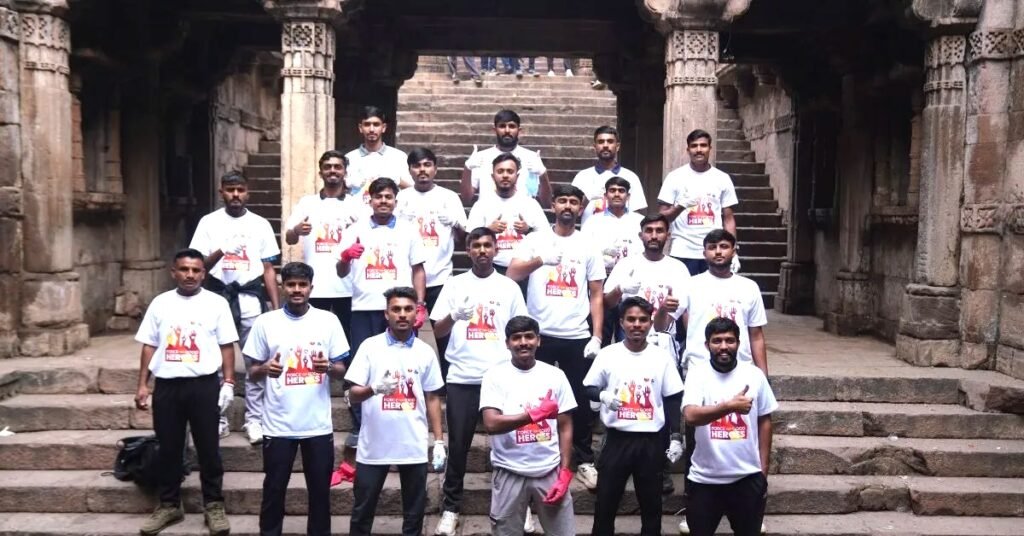
The restoration project was undertaken with the support of the Aditya Birla Group, demonstrating the power of collaboration between civil society organizations and corporate institutions in advancing environmental sustainability. The first phase of the project involved an extensive cleaning operation. Volunteers and workers carefully removed waste and debris from the stepwell, ensuring that the historic stone structure was not damaged during the process. More than 700 kilograms of garbage, including plastic waste, sludge, and other discarded materials, were extracted from the well. This cleaning process revealed the architectural features of the stepwell that had been hidden under layers of waste for years. The removal of garbage not only restored the visual appearance of the structure but also allowed the stepwell to begin functioning once again as a natural water recharge system.
Following the cleaning process, the restoration team assessed the structural condition of the stepwell to understand its long-term conservation needs. The inspection focused on the stability of the stone steps, the integrity of the walls, and the overall capacity of the structure to store water. Such assessments are crucial to ensure that restored stepwells remain safe, functional, and sustainable over the long term. In addition to technical restoration work, Drishti Foundation Trust also emphasized community awareness and engagement. Local residents were encouraged to understand the historical and environmental value of the stepwell and to take responsibility for protecting it from future misuse or dumping of waste.
The environmental benefits of restoring stepwells extend far beyond heritage conservation. Stepwells play a significant role in groundwater recharge, which is increasingly important in regions experiencing declining water tables and water scarcity. By allowing rainwater to percolate into the ground, stepwells help replenish underground aquifers and improve local water availability. In many cases, restoring traditional water structures can complement modern water supply systems and reduce pressure on municipal water resources. Additionally, stepwells contribute to climate resilience by providing a sustainable method of water storage that relies on natural processes rather than energy-intensive infrastructure.
Restoring historic water systems also plays an important role in promoting environmental awareness and responsible waste management. When communities witness the transformation of neglected heritage structures into clean and functional water bodies, it often inspires greater respect for local ecosystems and encourages sustainable practices. Initiatives such as the Mehmadabad stepwell restoration demonstrate that environmental conservation can be successfully achieved when communities, non-profit organizations, and corporate partners work together with a shared vision.
Corporate partnerships are particularly important in scaling environmental initiatives and ensuring their long-term sustainability. Support from organizations such as the Aditya Birla Group enables non-profit institutions like Drishti Foundation Trust to mobilize resources, implement restoration projects, and expand the reach of their programs. Corporate Social Responsibility (CSR) initiatives can play a crucial role in protecting natural resources, conserving cultural heritage, and supporting community development. By investing in projects such as stepwell restoration, corporations contribute not only to environmental sustainability but also to the preservation of India’s historical legacy.
The restoration of the Mehmadabad stepwell reflects Drishti Foundation Trust’s broader commitment to ecosystem restoration and sustainable water management. Across India, the organization continues to work on multiple environmental initiatives including river rejuvenation projects, ocean cleaning campaigns, pond and lake restoration, tree plantation drives, biodiversity protection, and disaster management programs. These initiatives aim to address environmental challenges through innovative solutions that combine traditional knowledge with modern scientific approaches.
Looking ahead, Drishti Foundation Trust envisions expanding its stepwell restoration initiative to other regions where historic water structures have been neglected or abandoned. Thousands of stepwells across India still hold the potential to serve as natural water conservation systems if they are properly restored and maintained. Reviving these structures can significantly contribute to groundwater recharge, environmental sustainability, and cultural heritage preservation. At a time when water scarcity is becoming a growing global concern, rediscovering and revitalizing traditional water management systems can offer valuable solutions for the future.
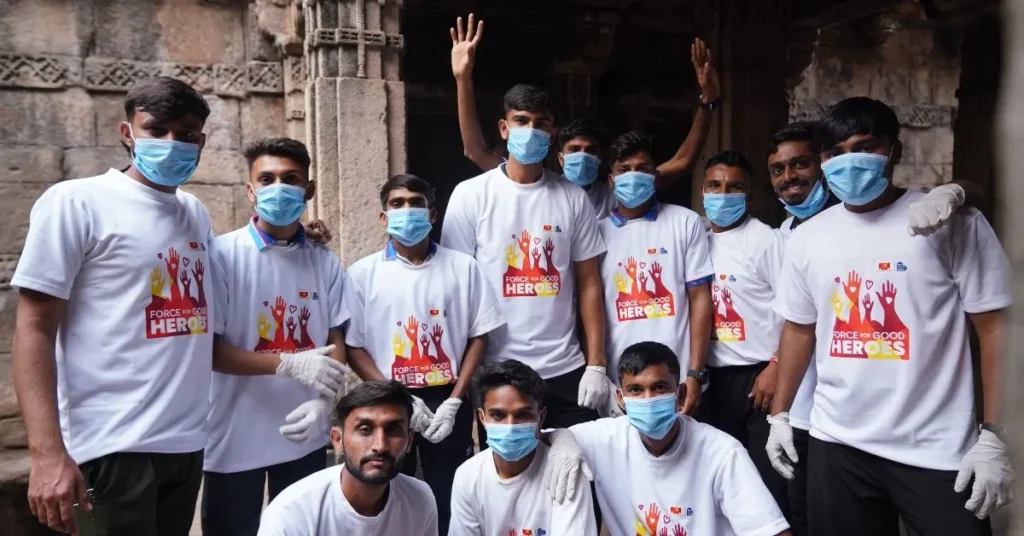
The restoration of the 900-year-old stepwell in Mehmadabad stands as a powerful example of how heritage conservation and environmental sustainability can go hand in hand. By removing more than 700 kilograms of waste and restoring the structure’s functionality, Drishti Foundation Trust has not only revived a historic monument but also demonstrated the importance of community-driven water conservation. This initiative highlights the potential of collective action in addressing environmental challenges and preserving natural resources for generations to come.
Drishti Foundation Trust continues to invite corporates, institutions, environmental experts, and community members to join hands in its mission of restoring water bodies and protecting ecosystems across India. Through collaborative efforts, innovative approaches, and a strong commitment to sustainability, it is possible to revive traditional water systems and build a more water-secure future. The restoration of the Mehmadabad stepwell is a reminder that sometimes the solutions to modern environmental challenges can be found in the wisdom of the past. By honoring and restoring these ancient systems, we not only protect our heritage but also strengthen our path toward sustainable development and environmental resilience.
“Reach out to explore collaborations, discover our initiatives, and contribute to creating meaningful, lasting change.”
Facebook: https://www.facebook.com/DrishtiFoundationTrust/
Instagram : https://www.instagram.com/drishtifoundation
Youtube : https://www.youtube.com/drishtifoundationtrust
Linkedin : https://www.linkedin.com/company/drishtifoundationtrust
Twitter : https://www.twitter.com/dftindia
Related Post
Reviving History: The Resurrection of “Bottar Kotha Ni Vav” in Mehsana
Introduction Under its Water Conservation Initiative Drishti Foundation Trust took responsibility In the heart of [...]