
Working for Better Tomorrow !
Call Us
FCRA Registration
041910504
Working for Better Tomorrow !
Call Us
FCRA Registration
041910504
A Decade of Transformative Initiatives for Ocean Cleaning, River Rejuvenation and Environmental Sustainability
Swachh Sabarmati Abhiyan for Clean Environment
“Environment for all,Made clean Sabarmati Initiative a successful.The day you decide to pick up the garbage to clean the environment instead of turning away from it, you begin your conservation journey” – Dinesh Kumar Gautam (Founder – Drishti Foundation Trust)
Sabarmati, once home to Gandhi – The man who envisioned a free, clean and prosperous India is now just a lifeless river. We at DFT, are the true believers of his principles and intend to realise his dream of clean India and clean environment and hence, bringing the river back to life is our tribute to him.
I am happy to present the story of the Swachh Sabarmati clean-up for greener environment which was organised on 23rd October, 2018. Although controlling river pollution caused by municipal sewage or toxic industrial effluents may be the responsibility of local bodies or state agencies, we at DFT believe that it’s a collective responsibility of all to take care of the river streams which have been supporting numerous lives and livelihoods for ages. With the support of ONGC (Ahmedabad) – Our CSR partner, District administration (Ahmedabad), Irrigation Department (Ahmedabad), and Forest department (Ahmedabad) we started our year-long journey of cleaning river Sabarmati that resulted in the removal of around 600 tons of waste and restoration of biodiversity and cleaner and greener environment. The successful completion of the Swachh Sabarmati project is one of the major milestones in the journey of team
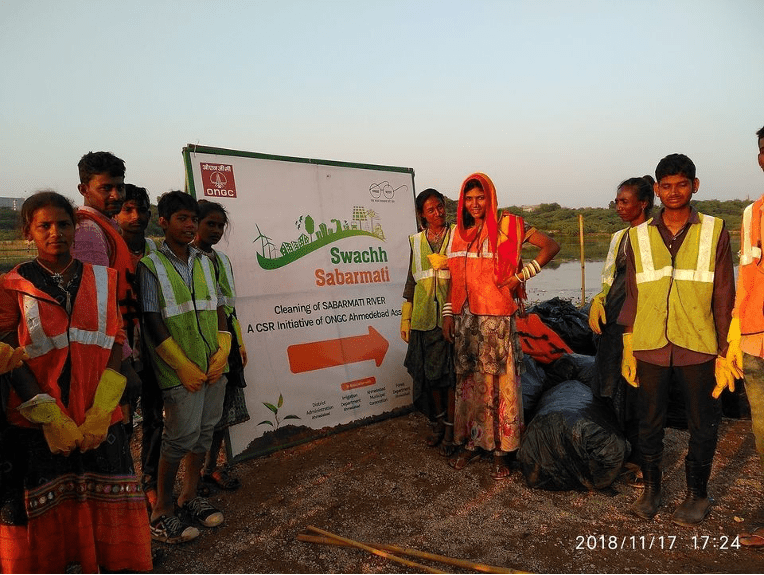
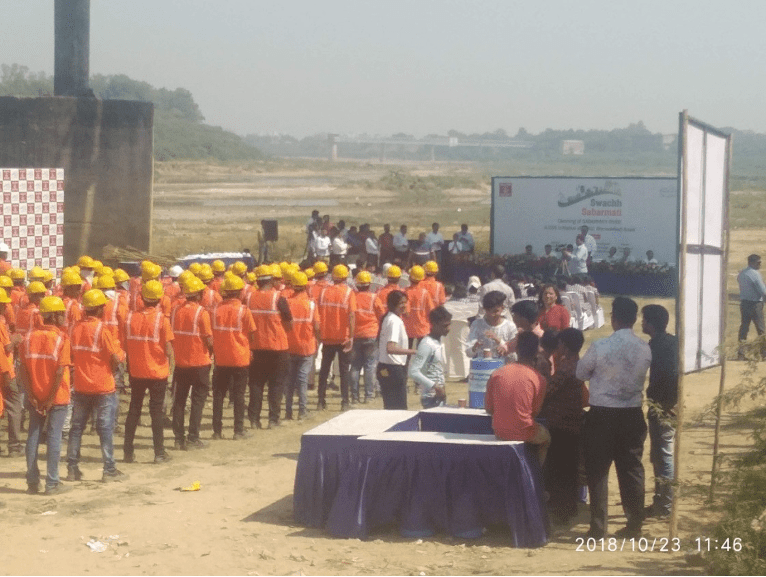
Drishti Foundation Trust recognises that environmental protection is fundamental to human well-being, sustainable development and the resilience of communities. The environment connects people with rivers, forests, oceans, wetlands, soil, wildlife, biodiversity and natural resources. When these ecological systems are degraded, the effects can extend to water security, agriculture, livelihoods, public health and disaster resilience. As a non-profit organisation working across India, Drishti Foundation Trust seeks to address environmental challenges through community participation, research, conservation initiatives, partnerships and practical field interventions. Our environmental work focuses on creating a responsible relationship between communities and the natural systems on which they depend.
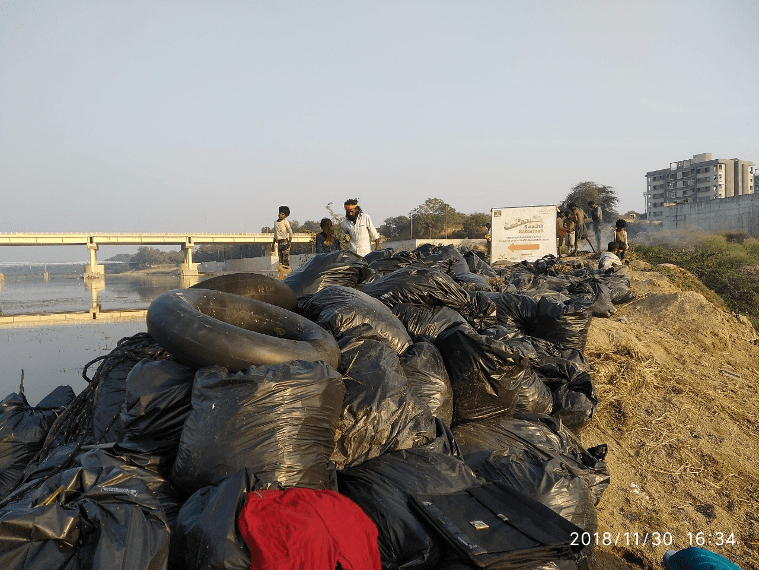
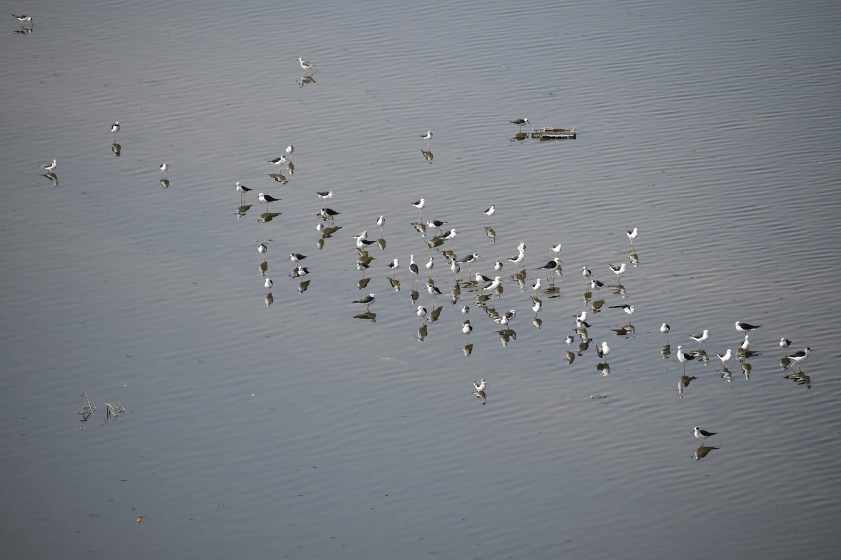
The clean-up has not only resulted in the rejuvenation of the river but has also restored the habitat and natural biodiversity around the area.
Around 600 tons of garbage was being removed from the river.
India’s rivers are the backbone of its civilization, but over the years, many of these water bodies have become severely polluted. At Drishti Foundation Trust, river rejuvenation is a critical priority. Our efforts include extensive cleaning and restoration of rivers to bring them back to life.
In one of our flagship initiatives, we undertook the massive Sabarmati River Cleaning Project in Gujarat. This initiative involved the removal of waste, restoration of natural water flow, and increasing public awareness regarding the importance of keeping rivers clean. Through a multi-stakeholder approach involving local communities, authorities, and environmental experts, we have successfully reduced the pollution levels of the river and restored its ecological balance. The Sabarmati River now stands as a symbol of revival, providing clean water and a healthier ecosystem to the communities around it.
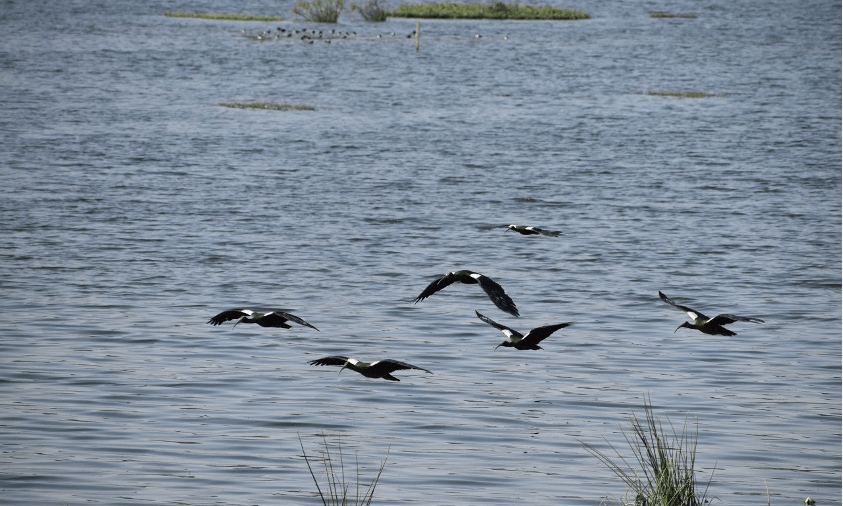
Post-clean-up view of the river Sabarmati

Our Approach to Environmental Conservation
Environmental conservation requires more than individual activities such as tree plantation or cleanliness drives. It requires an understanding of how different ecosystems are connected. A river is connected with its catchment, groundwater, wetlands, vegetation and surrounding communities. Forests support biodiversity, regulate ecological processes and provide habitats for wildlife. Coastal ecosystems support marine biodiversity and livelihoods. Traditional ponds, lakes and stepwells can contribute to water security while also supporting local ecosystems. Drishti Foundation Trust therefore promotes an integrated approach in which environmental restoration, water conservation, biodiversity protection, community awareness and disaster resilience are considered together.
Our environmental programmes are designed around three important principles: scientific understanding, community participation and institutional collaboration. Scientific knowledge helps ensure that interventions respond to actual ecological conditions. Community participation helps create local ownership and continuity. Partnerships with government institutions, academic organisations, technical experts, corporate partners, volunteers and other civil society organisations can strengthen implementation and expand the reach of environmental initiatives. This approach recognises that environmental conservation is a long-term responsibility rather than a one-time activity.
River Rejuvenation and Water Conservation
Water conservation is a central component of environmental sustainability. Rivers, ponds, lakes, wetlands, groundwater systems and traditional water structures support both human communities and biodiversity. Pollution, siltation, encroachment, changing land use and unsustainable water use can affect the ecological and social functions of these resources. Drishti Foundation Trust works toward water conservation and restoration by supporting initiatives related to river rejuvenation, pond cleaning, traditional water systems and community participation.
River rejuvenation requires a broader perspective than simply removing visible waste from a river. Effective restoration can involve understanding pollution sources, water quality, natural flow, catchment conditions, groundwater interactions, vegetation and biodiversity. Drishti Foundation Trust’s work on the Bhogavo River near Dhingda Village in Ahmedabad District, undertaken under the Sujalam Sufalam Jal Sanchay Abhiyan, included desilting and cleaning with objectives related to water storage, groundwater recharge, biodiversity and community engagement.
The Foundation also recognises the importance of traditional water conservation systems. Stepwells, ponds, tanks and other traditional structures can form part of local water-management systems and may provide ecological as well as community benefits. Their restoration can contribute to water conservation while preserving elements of local environmental heritage. An effective approach combines traditional knowledge with contemporary scientific assessment and appropriate technology.
Biodiversity Conservation and Ecosystem Restoration
Biodiversity is an essential part of healthy ecosystems. It includes the variety of plants, animals, microorganisms and ecological relationships that make natural systems function. Protecting biodiversity requires more than protecting individual species. It also requires conserving and restoring the habitats on which those species depend.
Drishti Foundation Trust works in areas including biodiversity conservation, ecosystem restoration and wildlife protection. Its environmental approach recognises the relationship between habitats, water systems, vegetation, wildlife and communities. Restoration activities can include improving degraded habitats, supporting native vegetation, protecting ecological spaces and creating greater awareness about the importance of biodiversity.
The Foundation also promotes the importance of indigenous and locally appropriate species in environmental restoration. Tree plantation programmes can have greater ecological value when species are selected according to local soil, climate and ecosystem conditions. Plantation should therefore be accompanied by appropriate maintenance and monitoring so that environmental benefits can be sustained over time.
Tree Plantation and Green Cover
Trees contribute to environmental health by providing habitat, supporting biodiversity, improving local microclimates, protecting soil and contributing to ecological balance. However, successful plantation is not simply a matter of planting a large number of saplings. Species selection, location, water availability, soil conditions, protection and long-term maintenance are important factors in determining survival and ecological value.
Drishti Foundation Trust’s environmental programmes include tree plantation and maintenance, with an emphasis on sustainable green development and community involvement. The Foundation’s published environmental work also highlights native species, ecological restoration and approaches such as Miyawaki plantation where appropriate to the local context.
Urban areas require particular attention because rapid development can reduce green spaces, increase surface temperatures and place pressure on water resources. Urban environmental programmes can combine tree plantation, green corridors, water-body restoration, rainwater harvesting, cleanliness initiatives and public awareness. Such interventions can contribute to healthier and more resilient urban environments when they are properly planned and maintained.
Marine and Coastal Conservation
India’s coastline supports diverse marine ecosystems, coastal communities and economic activities. Marine pollution, particularly plastic and other forms of unmanaged waste, can affect coastal habitats and wildlife. Coastal conservation therefore requires both direct environmental action and long-term awareness.

Drishti Foundation Trust undertakes ocean and coastal cleaning initiatives alongside environmental awareness and community participation. Beach-cleaning activities can remove accumulated waste, but their wider value lies in encouraging people to understand the connection between consumption, waste disposal and marine pollution. The Foundation’s environmental work includes ocean cleaning and coastal conservation as part of its wider ecosystem-focused approach.
Long-term marine conservation requires collaboration among coastal communities, local authorities, educational institutions, businesses, volunteers and environmental organisations. Regular awareness, responsible waste management and protection of coastal habitats are important components of this effort.
Wildlife Protection and Ecological Awareness
Wildlife depends on healthy habitats, adequate food and water resources and functioning ecosystems. Habitat degradation, pollution and human pressures can affect wildlife populations and ecological balance. Wildlife conservation therefore needs to be connected with habitat protection, biodiversity conservation and community awareness.
Drishti Foundation Trust supports wildlife protection and environmental awareness as part of its broader conservation work. Community-based awareness can help people understand the importance of wildlife and encourage responsible coexistence with natural ecosystems. Schools, colleges, volunteers and community groups can play an important role in creating greater awareness about local species and habitats.
Environment and Disaster Resilience
Environmental conservation and disaster management are closely connected. Degraded ecosystems can increase vulnerability to floods, droughts, heat and other environmental stresses, while healthy ecosystems can support resilience. Water-body restoration, protection of natural drainage systems, vegetation restoration and responsible land management can therefore contribute to disaster-risk reduction.
Drishti Foundation Trust’s integrated approach connects environmental conservation with disaster resilience and community development. The objective is not only to respond after a disaster but also to support communities in reducing environmental and social vulnerabilities before emergencies occur. This requires awareness, preparedness, institutional coordination and long-term environmental planning.
Environmental Education and Community Participation
Environmental protection becomes sustainable when communities understand the importance of natural resources and participate in their conservation. Environmental education can help students, young people, communities, employees and volunteers understand issues such as water conservation, biodiversity, waste management, climate resilience and responsible resource use.
Drishti Foundation Trust encourages participation through environmental awareness activities, conservation campaigns, volunteer engagement and partnerships. Young people can contribute through tree-care programmes, biodiversity documentation, cleanliness initiatives, awareness campaigns and community projects. Educational institutions can also become important partners in creating long-term environmental awareness.
Community participation is particularly important because environmental restoration often requires continued care after an initial project has been completed. Local ownership can help ensure that restored water bodies, planted trees, biodiversity areas and community environmental assets receive sustained attention.
Partnerships for Environmental Sustainability
Environmental challenges are complex and cannot be addressed by one organisation alone. Government institutions can provide policy and institutional support. Academic and research institutions can contribute scientific knowledge. Businesses can provide resources and employee engagement. Communities provide local knowledge and participation. NGOs can help connect these stakeholders and support field implementation.
Drishti Foundation Trust works with communities, government institutions, academic organisations, corporate partners, volunteers and civil society stakeholders. This partnership-oriented approach enables environmental initiatives to combine knowledge, resources and community participation. The Foundation’s engagement with international development platforms, including its Special Consultative Status with the United Nations Economic and Social Council since 2017, also provides a broader framework for connecting local environmental action with sustainable development priorities.
Our Vision for a Sustainable Environment
Drishti Foundation Trust envisions an approach to environmental conservation in which healthy ecosystems and thriving communities support each other. Our objective is to contribute to cleaner rivers, protected water resources, healthier biodiversity, improved green cover, responsible waste management, protected wildlife and more resilient communities.
Environmental conservation is a continuous process. A river requires monitoring after restoration. A tree requires protection and maintenance after plantation. A water body requires responsible management after cleaning. Biodiversity requires habitat protection over time. Coastal conservation requires changes in waste practices as well as periodic cleanup activities.
For Drishti Foundation Trust, environmental action therefore means moving from isolated activities toward integrated ecological planning and sustained community engagement. By combining research, field implementation, environmental education, partnerships and community participation, the Foundation seeks to contribute to a future in which development and ecological responsibility are considered together. Our work is guided by a simple principle: protecting the environment means protecting the natural foundations of human health, livelihoods, biodiversity and future generations.
Frequently Asked Questions About Environment
What does Drishti Foundation Trust do for the environment?
Drishti Foundation Trust works in areas including river rejuvenation, water conservation, pond cleaning, tree plantation and maintenance, biodiversity conservation, wildlife protection, ecosystem restoration, ocean cleaning and environmental awareness.
Why is environmental conservation important?
Environmental conservation protects the natural systems that support water security, biodiversity, livelihoods, health and community resilience. Protecting these systems is essential for sustainable development.
How can people support environmental conservation?
Individuals can participate in environmental awareness programmes, volunteer in conservation activities, conserve water, reduce waste, protect biodiversity, care for trees and support responsible environmental practices in their communities.
How can organisations partner with Drishti Foundation Trust?
Organisations can explore partnerships around environmental education, water conservation, biodiversity protection, tree plantation and maintenance, ecosystem restoration, coastal conservation, volunteer engagement and other environmental initiatives based on community needs and project objectives.
What is the long-term goal of environmental conservation?
The long-term goal is to maintain healthy ecosystems while enabling communities to meet their social and economic needs responsibly. Environmental conservation is ultimately about creating conditions in which people and nature can remain resilient together.
Contact us to explore collaboration opportunities, learn more about our initiatives, or contribute towards making a difference that truly matters.