Working for Better Tomorrow !
Call Us
FCRA Registration
041910504
Working for Better Tomorrow !
Call Us
FCRA Registration
041910504
Health is an essential foundation of individual well-being, community resilience and sustainable development. Access to timely healthcare, reliable health information, preventive services and healthy living conditions can significantly influence the quality of life of individuals and communities. Drishti Foundation Trust recognises health as an important area of social development and works to support community-oriented health initiatives, awareness, preventive healthcare and access to appropriate health services. Our approach connects health with education, environmental conditions, sanitation, nutrition, disaster preparedness and community participation, recognising that healthy communities are better equipped to learn, work, respond to emergencies and participate in sustainable development.
Our Approach to Community Health
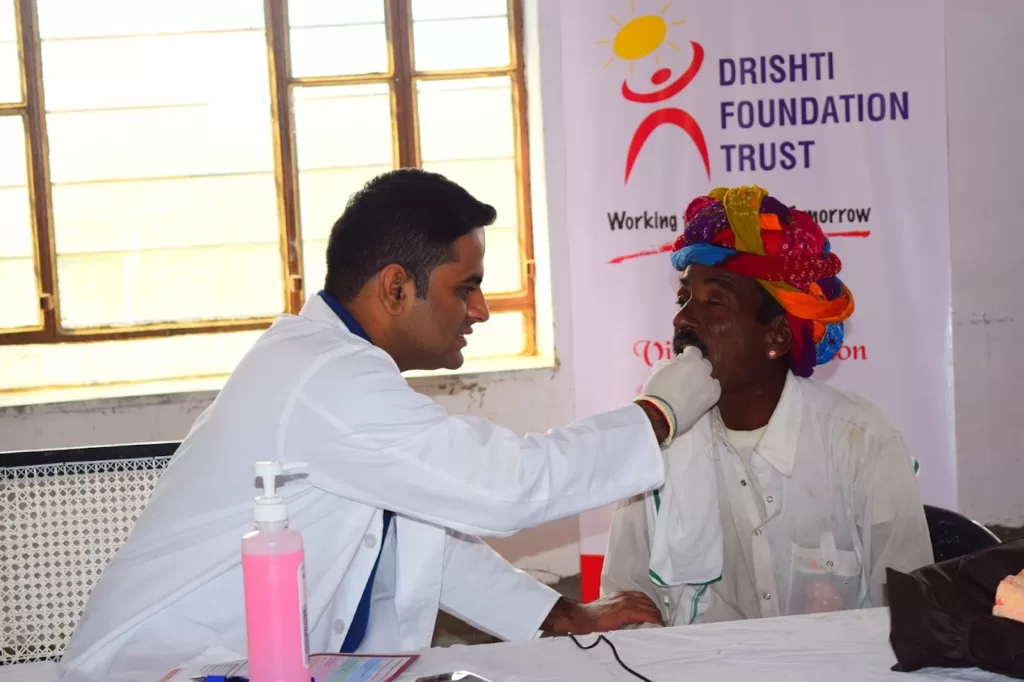
Drishti Foundation Trust follows a community-centred approach to health and well-being. Healthcare challenges can differ significantly between communities because of differences in access to medical services, awareness, economic circumstances, geography and local infrastructure. Effective health programmes therefore need to understand local requirements and involve communities in identifying priorities.
Our health-related work focuses on awareness, prevention, community engagement and partnerships with appropriate institutions and professionals. The objective is to support communities with relevant information and opportunities to access appropriate health interventions. Health programmes can include awareness campaigns, training, medical support initiatives, preventive health activities and community outreach, depending on identified needs and available partnerships.
We believe that healthcare should not be viewed only as treatment after illness occurs. Preventive awareness, healthy behaviour, early attention to health concerns and access to reliable information can all contribute to better community health outcomes.
Health Awareness and Preventive Healthcare
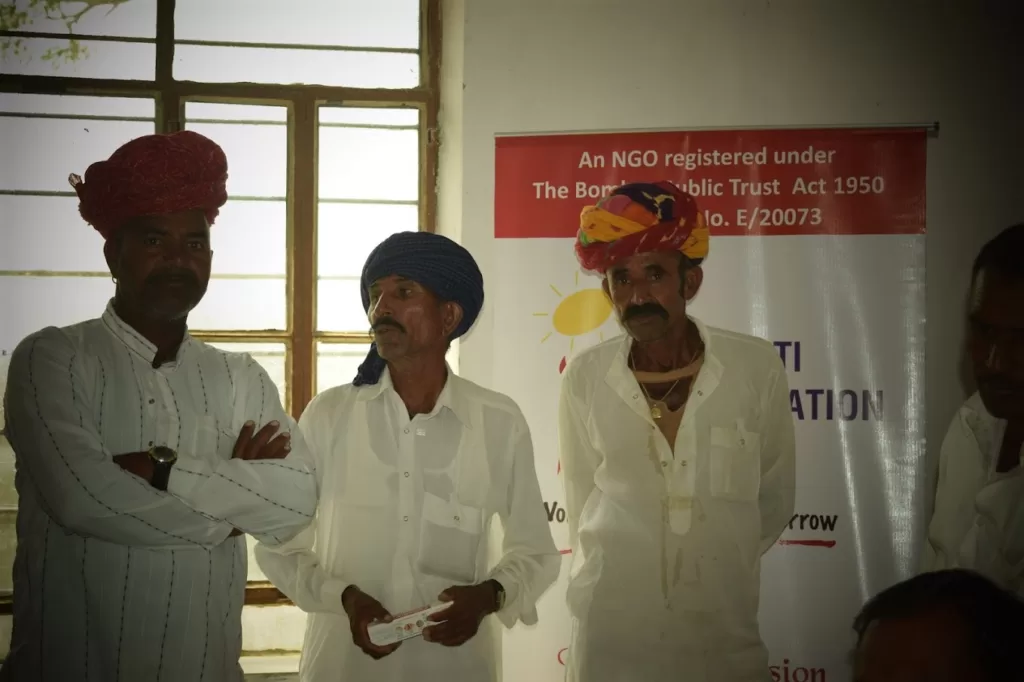
Health awareness is an important part of preventive healthcare. People who understand common health risks and preventive practices are better positioned to make informed decisions about their well-being and seek professional medical assistance when required.
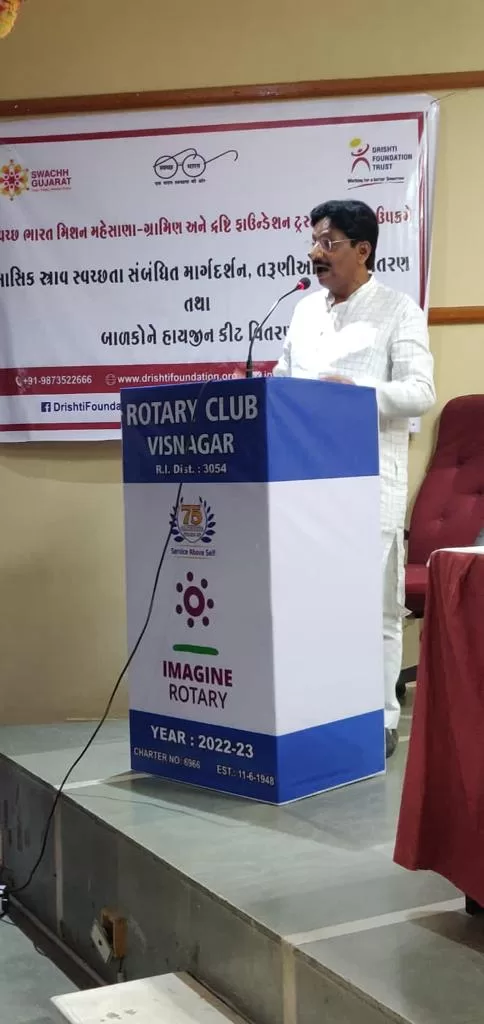
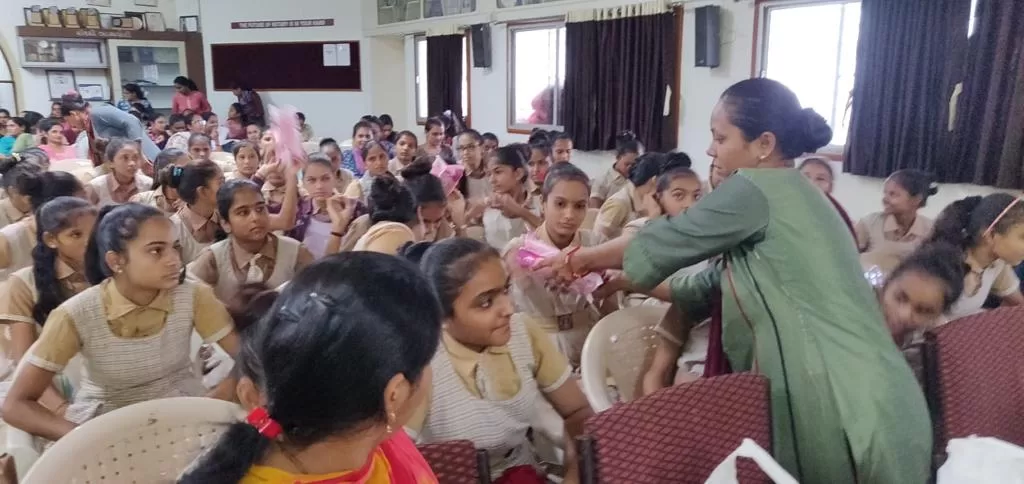
Drishti Foundation Trust supports health awareness initiatives designed to communicate relevant information to communities in an accessible manner. Depending on the programme, awareness activities may address hygiene, sanitation, nutrition, preventive healthcare, emergency response, lifestyle-related concerns and other community health priorities.
Awareness programmes can be delivered through workshops, community meetings, educational activities, training sessions and communication campaigns. The effectiveness of such programmes depends on the relevance of the information, the accessibility of communication and the participation of local communities.
Community Health and Environmental Conditions
Health and the environment are closely connected. Clean water, sanitation, clean surroundings, safe waste management and healthy ecosystems contribute to community well-being. Environmental degradation can create conditions that affect public health, while poor sanitation and unmanaged waste can contribute to environmental pollution.
Drishti Foundation Trust’s integrated programme approach connects health with environmental conservation. Work related to water conservation, cleanliness, ecosystem restoration, waste management and environmental awareness can have important implications for community well-being.
Access to clean and safe water is particularly important. Water resources support drinking, sanitation, agriculture and livelihoods. Protecting water bodies and encouraging responsible water management can therefore contribute to both environmental sustainability and community health.
Health Education and Community Participation
Education can play an important role in improving health awareness. Communities need access to understandable and reliable information about preventive practices, hygiene, nutrition, emergency preparedness and available health services.
Drishti Foundation Trust works with communities, volunteers, institutions and other stakeholders to support awareness and education. Community participation helps ensure that health initiatives are relevant to local circumstances and that information reaches people through appropriate channels.
Schools and educational institutions can also contribute to health awareness among children and young people. Health education at an early stage can encourage responsible habits and create awareness that may extend from students to families and communities.
Partnerships for Health Programmes
Effective health programmes often require collaboration among non-profit organisations, healthcare professionals, hospitals, government agencies, educational institutions, corporate partners and community organisations. Each stakeholder can contribute different expertise and resources.
Drishti Foundation Trust seeks to work through partnerships where appropriate, bringing together community-level implementation and professional expertise. Healthcare professionals can contribute technical knowledge, while community organisations and volunteers can support outreach and awareness. Corporate partners can contribute through CSR programmes, employee engagement and financial or technical support.
Such partnerships need clear objectives, defined responsibilities and appropriate monitoring. Health interventions should also be designed and implemented with appropriate professional guidance, particularly where medical services or clinical advice are involved.
Health and Disaster Management
Disasters can create immediate and longer-term health challenges. Floods, storms, extreme weather events and other emergencies can disrupt healthcare services, affect access to essential resources and increase pressure on vulnerable communities.
Drishti Foundation Trust works in disaster management as part of its broader community development approach. Health preparedness can be an important component of disaster resilience. Communities benefit from awareness of emergency procedures, first aid, preparedness measures and access to reliable information.
Community-level preparedness does not replace professional emergency and medical services. Instead, it can help communities understand how to respond appropriately while waiting for specialised assistance and how to reduce avoidable risks during emergencies.
First Aid and Emergency Awareness
Basic first aid awareness can help people respond appropriately during certain emergencies until professional medical assistance becomes available. Training programmes can introduce participants to essential emergency-response principles under the guidance of qualified professionals.
Drishti Foundation Trust has supported health and emergency-awareness activities involving training and institutional partnerships. Such initiatives can help staff, volunteers, students and community members understand appropriate responses to common emergencies.
Any health or first-aid training should be delivered by appropriately qualified professionals and should remain consistent with recognised medical and emergency-response guidance. The role of a non-profit organisation is to facilitate access to appropriate training, information and professional expertise rather than replace qualified healthcare services.
Health and Corporate Social Responsibility
Corporate Social Responsibility can provide an important avenue for supporting community health programmes. Companies can collaborate with non-profit organisations on health awareness, preventive healthcare, medical support, training and community well-being initiatives, subject to applicable CSR requirements.
Drishti Foundation Trust works with corporate and institutional partners across social and environmental programmes. CSR partnerships in health can be designed around specific communities, geographical areas and identified needs.
A well-designed CSR health programme should establish clear objectives, target beneficiaries, implementation activities, timelines, monitoring indicators and reporting mechanisms. This helps corporate partners understand how resources are being used and what outcomes the programme seeks to achieve.
Health and Vulnerable Communities
Some communities may experience greater barriers to healthcare because of geography, economic circumstances, limited awareness or other social factors. Community-oriented health programmes can help identify information and access gaps and connect people with appropriate services.
Drishti Foundation Trust’s broader social development approach focuses on community participation and inclusive development. Health initiatives can therefore be designed to consider the needs of different groups, including children, women, older people and communities facing particular social or geographical challenges.
Inclusive health programming requires respectful communication and consideration of local circumstances. Community members should be treated as participants whose experiences and perspectives can contribute to programme design and implementation.
Role of Volunteers in Health Initiatives
Volunteers can support health programmes in several ways, depending on their skills and the requirements of the project. They can assist with awareness campaigns, event coordination, community outreach, communication, documentation and logistical support.
Qualified healthcare professionals can contribute specialised expertise where appropriate. Drishti Foundation Trust’s volunteer-oriented approach allows individuals with relevant professional skills to participate in suitable programmes, subject to organisational requirements and professional standards.
Volunteers should not provide medical diagnosis, treatment or clinical advice unless they are appropriately qualified and authorised to do so. Their role should be clearly defined and coordinated with the professional team responsible for the programme.
Health, Nutrition and Healthy Communities
Nutrition is an important component of community health. Access to appropriate nutrition, awareness of healthy dietary practices and understanding of nutritional requirements can contribute to overall well-being.
Community awareness programmes can provide general information about nutrition and healthy practices while directing individuals with specific medical or nutritional concerns to qualified healthcare professionals. Health education should be responsible, evidence-based and sensitive to local food practices and circumstances.
Healthy communities also depend on factors beyond medical care. Education, sanitation, clean water, environmental quality, livelihoods and social support can all influence well-being. This is why Drishti Foundation Trust considers health within the wider framework of sustainable community development.
Health Communication Through Community Platforms
Effective communication is important during both normal circumstances and emergencies. Communities need reliable information about health services, preventive practices and emergency preparedness.
Drishti Foundation Trust’s community-oriented communication work, including its Radio Gujarat 88.4 FM initiative, provides a platform for sharing information related to community development, health, education, environment and disaster awareness. Community media can be particularly useful for reaching local audiences with information in accessible formats.
Responsible health communication should distinguish general awareness from professional medical advice. Information should be communicated clearly and encourage individuals to consult qualified healthcare professionals for personal medical concerns.
Monitoring and Responsible Implementation
Health programmes should be planned with measurable objectives and appropriate monitoring systems. Depending on the nature of an initiative, indicators may include the number of people reached through awareness activities, participants trained, health sessions conducted, volunteers engaged or communities covered.
Monitoring helps organisations understand whether activities are reaching their intended audience and whether improvements are required. Documentation also supports transparency for institutional partners and donors.
Drishti Foundation Trust’s approach to social development emphasises community engagement, partnerships, documentation and responsible implementation. Health programmes are developed according to their specific objectives and community requirements.
Building Healthier and More Resilient Communities
The goal of community health work is not simply to conduct individual activities. It is to strengthen awareness, preparedness and access to appropriate support so that communities are better equipped to address health-related challenges.
Drishti Foundation Trust seeks to contribute to this objective by connecting health awareness with education, environmental sustainability, disaster preparedness and community participation. This integrated approach recognises that health outcomes are influenced by the conditions in which people live, learn and work.
Through partnerships with communities, healthcare professionals, institutions, volunteers and corporate organisations, the Foundation works to support practical initiatives that respond to identified needs while respecting professional healthcare standards.
Our Commitment to Health
Drishti Foundation Trust believes that every community should have opportunities to access reliable health information, understand preventive practices and participate in initiatives that promote well-being. Our health programmes are designed around community needs, responsible partnerships and appropriate professional guidance.
We seek to strengthen health awareness while recognising that non-profit organisations are part of a larger healthcare ecosystem. Government health systems, hospitals, medical professionals, educational institutions, communities and civil society organisations each have important roles.
Our commitment is therefore to support responsible, inclusive and community-oriented health initiatives that contribute to stronger and more resilient communities. By combining awareness, education, partnerships, preventive approaches and community participation, Drishti Foundation Trust continues to work toward a development model in which health, environment and social well-being are addressed together.
Frequently Asked Questions About Health
What does Drishti Foundation Trust do in the field of health?
Drishti Foundation Trust supports community-oriented health initiatives, awareness programmes, preventive healthcare activities, training and partnerships designed to address identified community needs.
Why is health awareness important?
Health awareness can help people understand preventive practices, recognise potential risks and seek appropriate professional assistance when necessary. It is an important component of community well-being.
How are health and the environment connected?
Clean water, sanitation, responsible waste management and healthy ecosystems contribute to healthier living conditions. Environmental degradation can also create conditions that affect community well-being.
Can companies support health programmes through CSR?
Companies can explore eligible CSR partnerships for health-related initiatives, subject to applicable laws, CSR requirements and project objectives.
Can volunteers participate in health programmes?
Yes. Volunteers can support suitable health activities through awareness, outreach, event coordination, documentation and other approved roles. Qualified professionals may contribute specialised services according to their qualifications and the requirements of the programme.
How can I support Drishti Foundation Trust’s health initiatives?
Individuals and organisations can support approved health programmes through donations, volunteering, CSR partnerships, professional expertise and institutional collaboration. Contributions should be made through the Foundation’s authorised channels.
Contact us to explore collaboration opportunities, learn more about our initiatives, or contribute towards making a difference that truly matters.