Hello world!
Welcome to Astra Starter Templates. This is your first post. Edit or delete it, then start blogging!
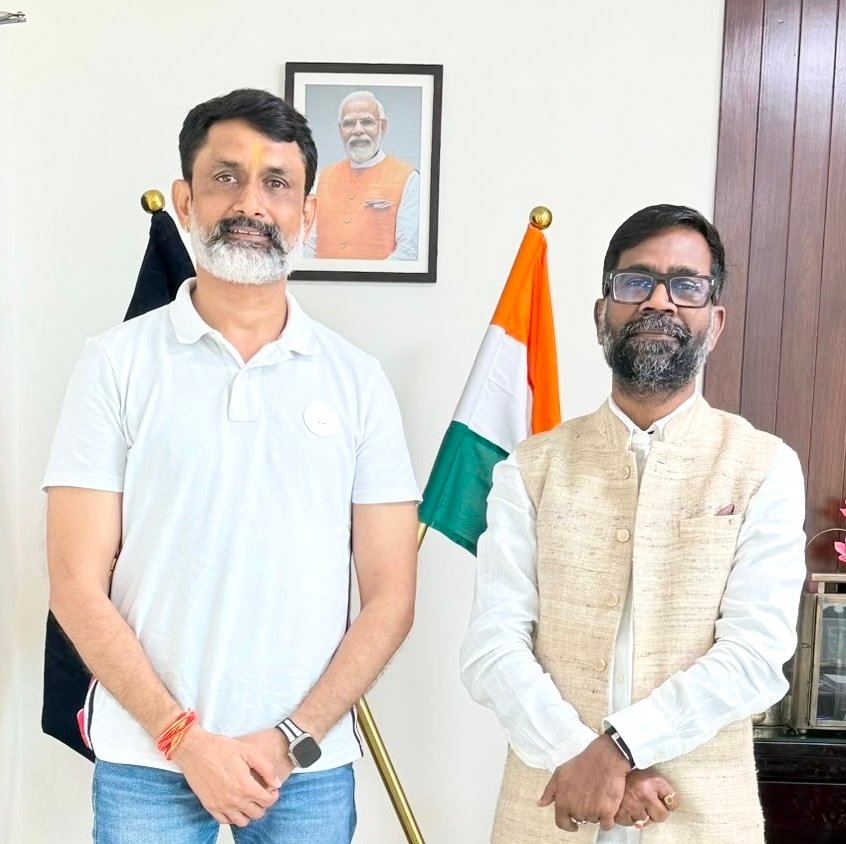
This article reflects on a significant discussion between Dinesh Kumar Gautam, Founder of Drishti Foundation Trust, and Mr. V. Nandkumar, Income Tax Commissioner (Exemptions), Gujarat, Daman and Diu, on India’s environmental priorities. The conversation explored disaster relief and resilience, river rejuvenation, marine conservation, water security, biodiversity enhancement, Miyawaki plantations, indigenous species, urban tree census and forest mapping. It also highlighted the revival of traditional water conservation systems such as stepwells and Bavlis, alongside the importance of engaging India’s youth. The discussion emphasised stronger collaboration among NGOs, government institutions, industry leaders, researchers and communities to develop practical, scientific and sustainable solutions for society and nature.
The Companies (CSR Policy) Amendment Rules, 2026 introduce a significant new pathway for corporate social responsibility through Zero Coupon Zero Principal (ZCZP) Instruments issued by eligible Not-for-Profit Organisations registered with the Social Stock Exchange. This article explains the 10% CSR expenditure limit, project duration, impact assessment exemption, NPO responsibilities, Social Stock Exchange framework and implications for companies and NGOs. It examines how ZCZP Instruments can strengthen transparent, structured and impact-oriented CSR financing while highlighting the importance of regulatory compliance, due diligence, project design, financial accountability and measurable outcomes. The article also explores the potential relevance of ZCZP financing for environmental and community-development initiatives.
Choosing the right NGO is critical to the success of a Corporate Social Responsibility strategy. This guide explains how companies can evaluate NGO partners based on credibility, compliance, experience, financial transparency, field capacity, community engagement, impact measurement and sustainability to build effective CSR partnerships that deliver measurable and lasting social and environmental outcomes.
How to Choose the Right NGO for Your Corporate Social Responsibility Strategy? Read More »
The Social Stock Exchange is an emerging mechanism in India designed to connect social enterprises with fund providers while promoting transparency, accountability and measurable social impact. This article explains SSE, eligibility for NPOs and social enterprises, fundraising mechanisms such as ZCZP instruments, social audits, impact reporting, compliance requirements and its potential to strengthen sustainable social-sector financing.
Social Stock Exchange: A New Pathway for Financing Social Impact in India Read More »
The Income Tax Act, 2025 introduces a reorganised compliance framework for NGOs and charitable organisations from 1 April 2026. This article explains key differences from the Income Tax Act, 1961, including registration, 85% application of income, donation reporting, new forms, audit and digital compliance, and how these changes can benefit NGOs.
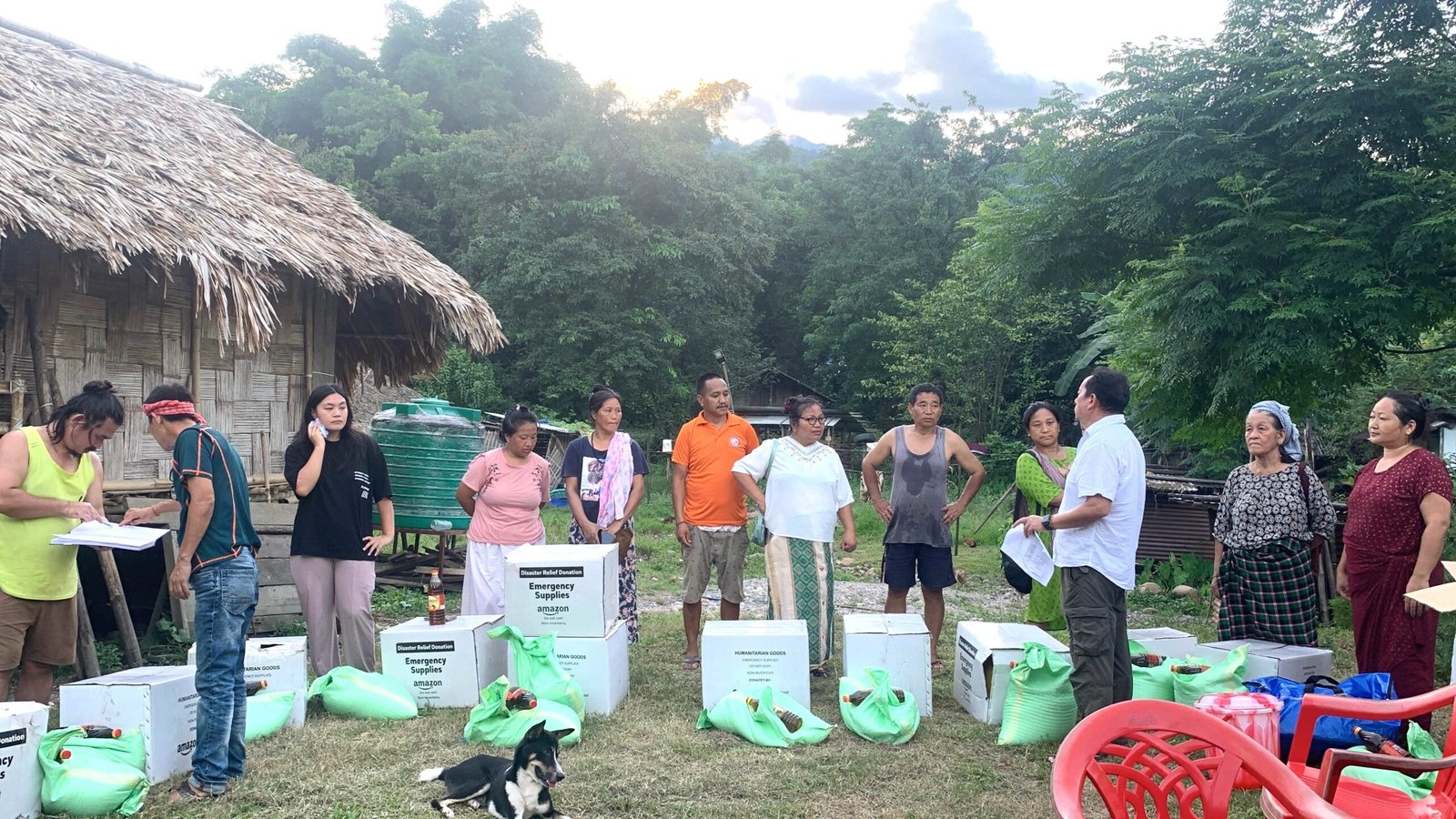
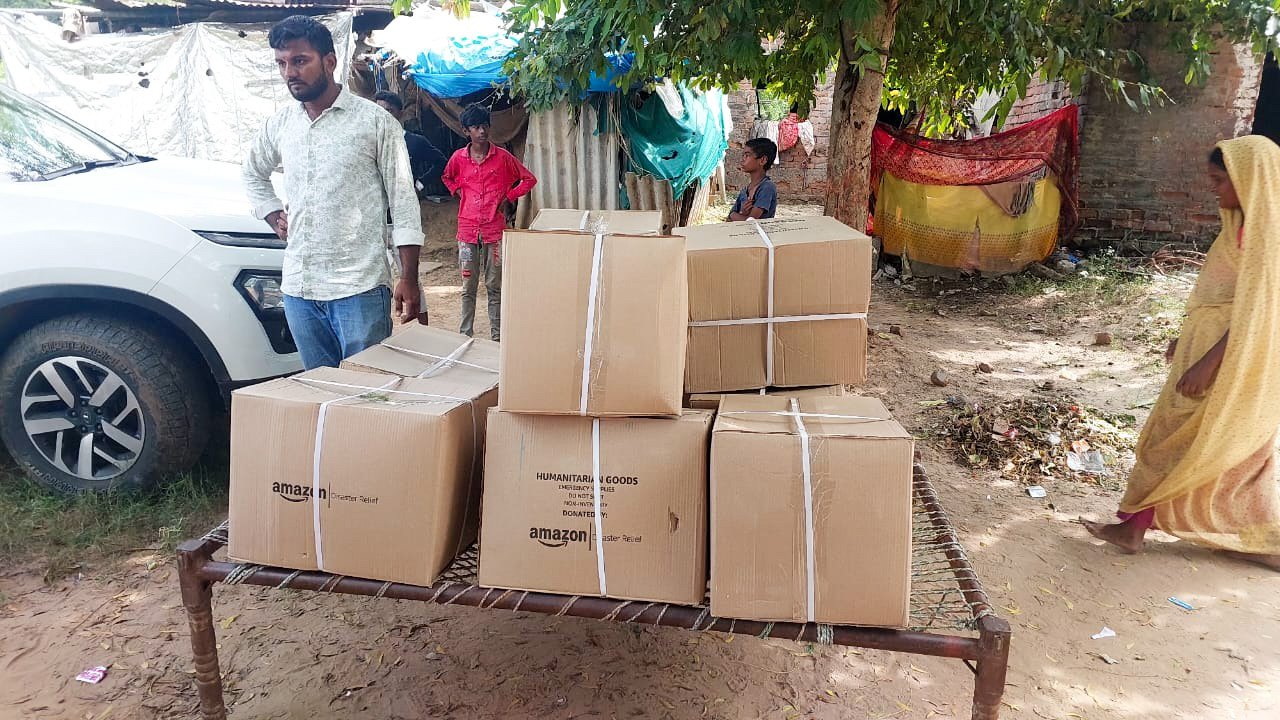
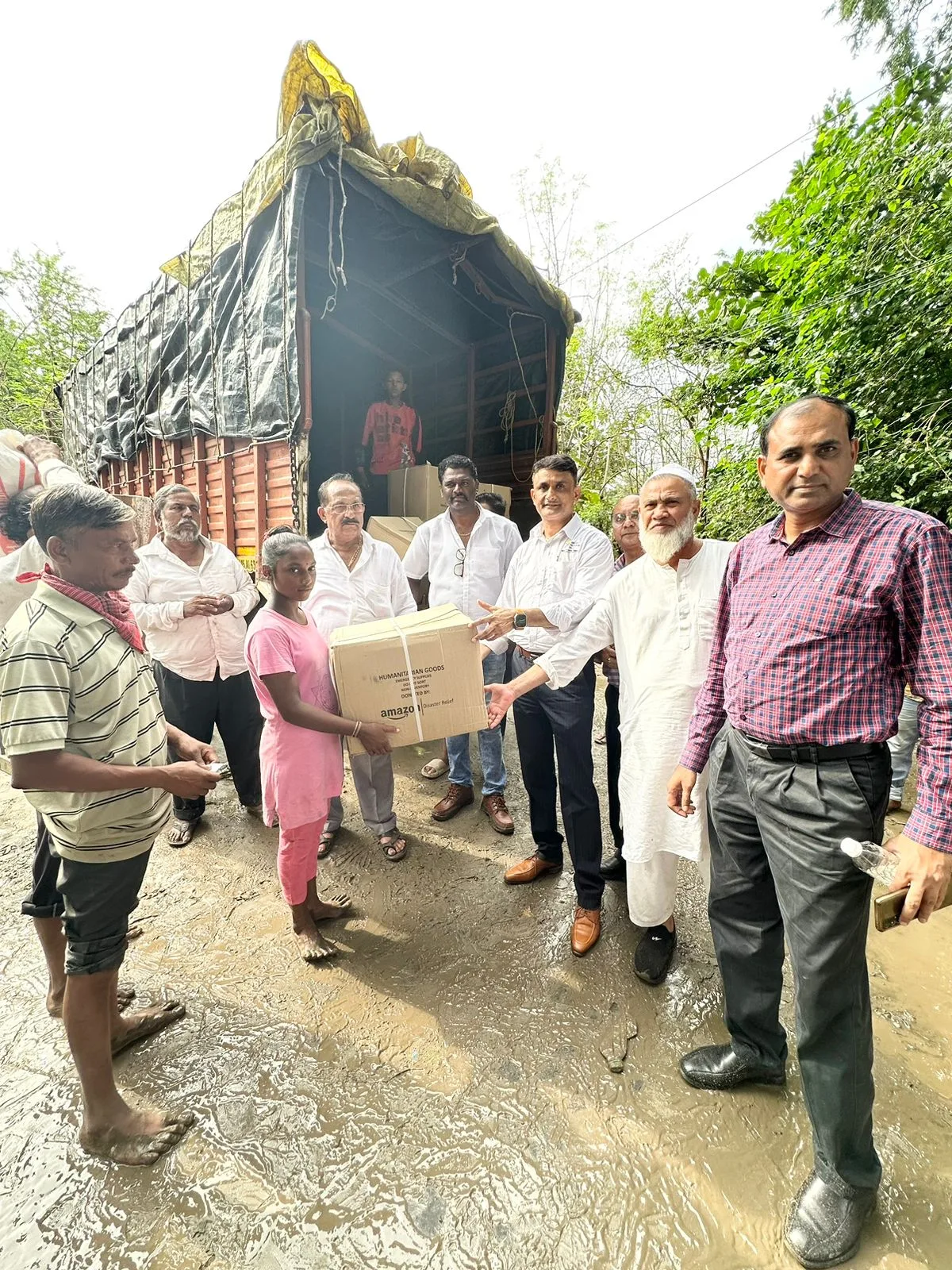
Drishti Foundation Trust, in collaboration with the State Disaster Management Authority and district administration, is providing humanitarian relief to flash flood-affected communities in Arunachal Pradesh. Through coordinated emergency response, essential relief distribution, and community engagement, the organization is supporting vulnerable families while promoting disaster resilience, sustainable recovery, and climate preparedness.
rom Gujarat to Arunachal Pradesh, Drishti Foundation Trust’s volunteers are always on their toes for disaster relief. Partnering with the local administration, our teams successfully reached remote East Siang, delivering vital shelter and ration kits to flood-affected families, proving that no region is unreachable when dedication meets sustainable action.
ndia’s CSR landscape underwent a fundamental transformation on May 29, 2026. The Drishti Foundation Trust analyzes the MCA’s amendment to the Companies Act, which officializes “Zero Coupon Zero Principal” (ZCZP) instruments on the Social Stock Exchange. Discover how this shift from passive grant-making to data-driven, outcomes-based finance is re-engineering social welfare projects across the nation.
n the 2026 era of “Implementation,” data is the ultimate tool for restoration. The Drishti Foundation Trust explores how mandatory pollution reporting and “water-positive” certifications empower communities. By embracing hydrological accountability, we can use real-time transparency to hold industries responsible, protect vital groundwater, and secure our shared water future.
The “New Vision for Water”: Transparency as a Tool for Restoration Read More »