Shadows to Sunlight: How Drishti Foundation Trust Bridges the Last Mile in India’s Toughest Disaster Zones
Disaster Management is not merely a logistical challenge; it is a profound test of human resilience, coordination, and ecological consciousness. When natural calamities strike, they do not just dismantle physical infrastructure they disrupt the delicate socioeconomic balances of vulnerable communities. At Drishti Foundation Trust, our mission as disaster management relief and sustainability experts is rooted in a single, unwavering conviction: no community should be left to navigate the aftermath of a crisis alone. True disaster management response requires an architecture of readiness, an absolute refusal to let geographical barriers dictate who receives help, and a sustainable framework that transforms immediate relief into long-term recovery.
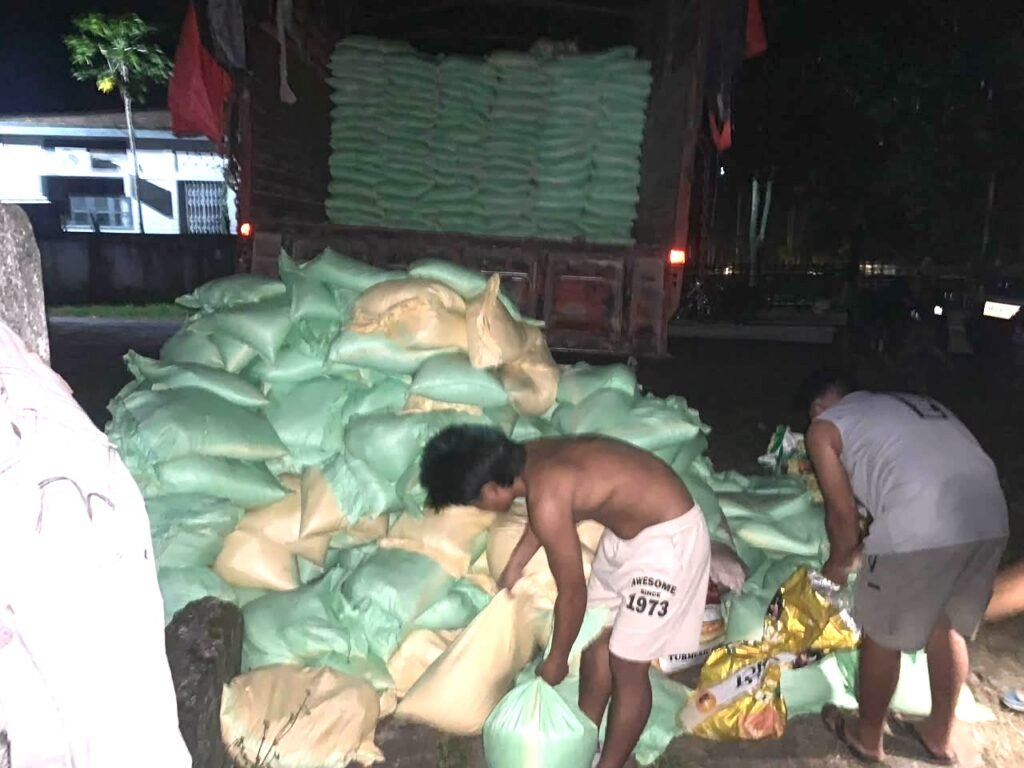
Across the length and breadth of India, our volunteers stand perpetually prepared “on their toes” ready to deploy at a moment’s notice. Whether it is mitigating the dry, seismic vulnerabilities of Gujarat, navigating the intense coastal and monsoonal inundations of Kerala, or conquering the treacherous, landslide-prone heights of Himachal Pradesh, our operational ethos remains unchanged. For a Drishti Foundation Trust volunteer, no terrain is too rugged, no village is too isolated, and no community is unreachable. Dedication is not a variable attribute; it is the constant baseline of our entire network.
A Pan-India Footprint of Crisis Management
To understand our deep commitment to the remote corners of Northeast India, one must first look at the foundation built across the subcontinent. India’s diverse topography demands a highly adaptive, multi-hazard approach to disaster management. In the arid terrains of Gujarat, our teams have historically faced the challenges of earthquakes and cyclone rehabilitations, balancing rapid structural stabilization with water conservation strategies. In stark contrast, our deployments in Kerala require sophisticated water rescue knowledge, post-flood sanitation strategies, and measures to combat vector-borne diseases in waterlogged tropical ecosystems.
Moving up to the fragile mountain ecosystems of Himachal Pradesh, the focus shifts drastically toward cloudbursts, flash floods, and massive rockslides that completely sever communication lines. Each region acts as a rigorous training ground, honing the adaptive capacities of our volunteer network. Yet, it is in the Eastern Himalayas specifically within the borders of Arunachal Pradesh that our structural agility, logistical endurance, and collaborative protocols face their ultimate test.
The Ecological Vulnerability of Arunachal Pradesh
Arunachal Pradesh stands as a mesmerizing yet highly volatile frontier of environmental complexity. Characterized by steep slopes, intense monsoonal downpours, young and unstable tectonic formations, and highly dynamic river systems, the region is highly susceptible to sudden environmental shocks. During the peak monsoon season, torrential rains regularly trigger severe flash floods and landslides that obliterate roads, wash away bridges, and isolate entire hill communities from mainstream administrative hubs.
When major rivers like the Siang swell and overflow, the impact is devastating. Entire villages can see their agricultural land buried under sand and debris, livestock swept away, and clean drinking water systems entirely contaminated. For an organization dedicated to sustainable relief, responding to crises in Arunachal Pradesh requires more than just goodwill; it demands a deep, structural understanding of mountain logistics, local tribal geographies, and the unique climate vulnerabilities inherent to the region.
The Power of Synergy: Collaborative Governance in Action
One of the foundational tenets of modern disaster management is that isolated efforts yield fragmented results. In high-risk, logistically complex environments like Arunachal Pradesh, working independently of local authorities is not just inefficient it can actively hinder overall response times. Drishti Foundation Trust has consistently championed a collaborative framework, working hand-in-hand with the local State Administration and the Disaster Management Authority.
This public-civil society partnership is the secret behind our successful relief interventions. The District Administration brings invaluable structural resources, authentic localized assessments, and statutory authorization, while Drishti Foundation Trust injects highly motivated, flexible volunteer workforces, rapid procurement channels, and community-level trust. By aligning our deployment strategies with official disaster response frameworks, we ensure that resources are not duplicated, gaps in aid distribution are accurately identified, and relief reaching the ground is perfectly synchronized with the immediate priorities of the local emergency operations center.
Last-Mile Deployment: Reaching Remote East Siang
A striking example of this collaborative synergy unfolded during our recent deployment to the remote pockets of the East Siang district. East Siang, bisected by the powerful Siang River, frequently bears the brunt of monsoonal fury. A recent spell of unrelenting downpours triggered major flash floods and landslides, which severely damaged critical public infrastructure, washed away standing crops, and compromised local road networks. Communities living in peripheral villages found themselves cut off, facing immediate shortages of clean food, shelter, and medical supplies.
[Disaster Event: Severe Monsoonal Flooding & Landslides]
▼
[Logistical Blockades: Broken Bridges & Silted Terrains]
▼
[Joint Strategy: Drishti Foundation Trust + District Administration]
▼
[Execution: Volunteer Teams Deploy via Foot Treks & Off-Road Networks]
▼
[Result: Direct Delivery of Sustainable Shelter & Ration Kits in East Siang]
Where conventional transport mechanisms stalled due to broken bridges and silted terrains, Drishti Foundation Trust volunteers pushed forward. Utilizing localized knowledge and working under the direct guidance of East Siang’s administrative officers, our teams organized off-road vehicle chains, manual porter systems, and foot treks to cross damaged zones. For our volunteers, the word “unreachable” was simply a call to find an alternative route. We successfully navigated these disrupted pathways to deliver vital emergency aid directly to the doorsteps of the most severely affected citizens.
Anatomy of the Relief Kits: A Sustainable Approach
As an organization focused on long-term sustainability, we view relief kits through a conscious lens. A poorly designed relief kit creates waste and fails to address the actual, immediate vulnerabilities of a displaced family. Therefore, our outreach in East Siang focused heavily on the meticulous design and deployment of two specific interventions: Customized Shelter Kits and Nutritional Ration Kits.
Emergency Shelter Kits
When a landslide or flash flood damages a home, immediate protection from the elements is critical to prevent secondary health crises like hypothermia or pneumonia. Our shelter kits are curated to provide immediate, dignified, and weatherproof protection. They include high-grade, UV-resistant, and water-retaining tarpaulins, heavy-duty nylon ropes, bamboo anchoring stakes, and foundational tools. These components allow displaced families to construct robust temporary shelters that endure the harsh Himalayan climate until long-term government rehabilitation and reconstruction take effect.
Nutritious Ration Kits
Food security in an isolated disaster zone must go beyond simple calorie delivery; it needs to focus on shelf-life, nutritional balance, and local cultural alignment. Our ration kits are designed to sustain a family for an extended period, protecting them against supply chain delays. Rather than packing generic processed goods, our kits consist of high-nutrition staples: long-grain rice, local pulses, iodized salt, cooking oil, essential spices, and clean drinking water purification tablets. By prioritizing high-shelf-life, nutrient-dense ingredients, we protect communities against malnutrition while ensuring zero food waste.
The Path Forward: Cultivating Community Resilience
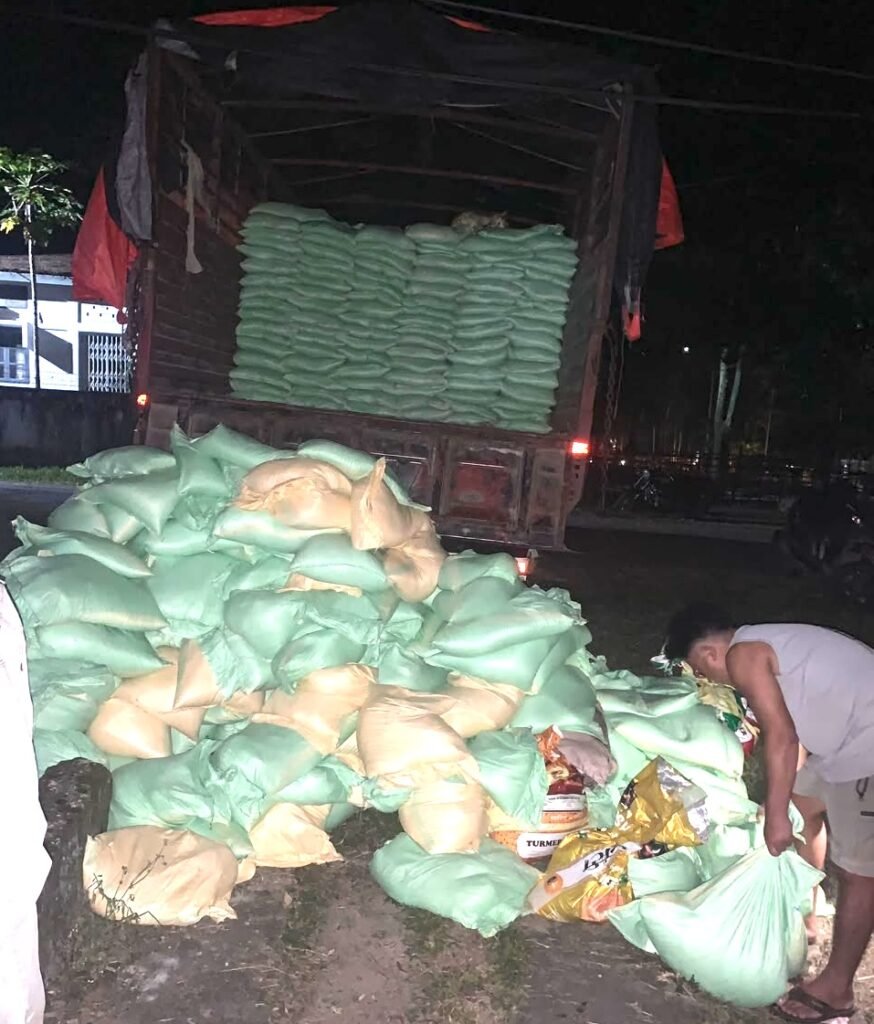
Immediate disaster relief is only the first phase of a much longer journey toward true community sustainability. The ultimate goal of Drishti Foundation Trust is to build local capacity so that communities are not just passive recipients of aid, but active participants in their own safety. In the wake of our distribution efforts in East Siang, our volunteers remained on the ground to conduct basic community-led disaster preparedness workshops, teaching local youth how to set up emergency shelters efficiently and manage community resource mapping.
By blending immediate, high-intensity disaster response with long-term climate adaptation strategies, Drishti Foundation Trust continues to redefine what it means to serve in times of crisis. From the plains of Gujarat to the mountains of Arunachal Pradesh, our promise remains absolute: whenever disaster strikes, our volunteers will be there on their toes, working hand-in-hand with the administration, ensuring that no community is left behind in the dark.
“Reach out to explore collaborations, discover our initiatives, and contribute to creating meaningful, lasting change.”
Facebook: https://www.facebook.com/DrishtiFoundationTrust/
Instagram : https://www.instagram.com/drishtifoundation
Youtube : https://www.youtube.com/drishtifoundationtrust
Linkedin : https://www.linkedin.com/company/drishtifoundationtrust
Twitter : https://www.twitter.com/dftindia
Related Post

Review of Environmental Hazard – Ocean Dumping
Ocean dumping, also known as marine dumping, is a critical environmental hazard threatening the health [...]

A Journey of Discovery: Exploring Yamuna Biodiversity Park on an Educational Tour
Introduction: Nestled on the banks of the Yamuna River in the heart of New Delhi, [...]