
Marine Conservation in Gujarat: Drishti Foundation Trust’s Mission to Keep Our Coastline Plastic-Free and Pollution-Free
Marine conservation is essential for human life, environmental stability and the long-term well-being of our planet. Oceans and coastal ecosystems support biodiversity, provide food and livelihoods, regulate climate, contribute to the global water cycle and sustain communities across the world. Yet, these invaluable natural resources face increasing pressure from plastic pollution, untreated waste, unsustainable consumption and other human activities. Protecting our marine environment is no longer an option that can be postponed. It is a shared responsibility that demands immediate action, sustained public participation and a commitment to long-term environmental solutions.
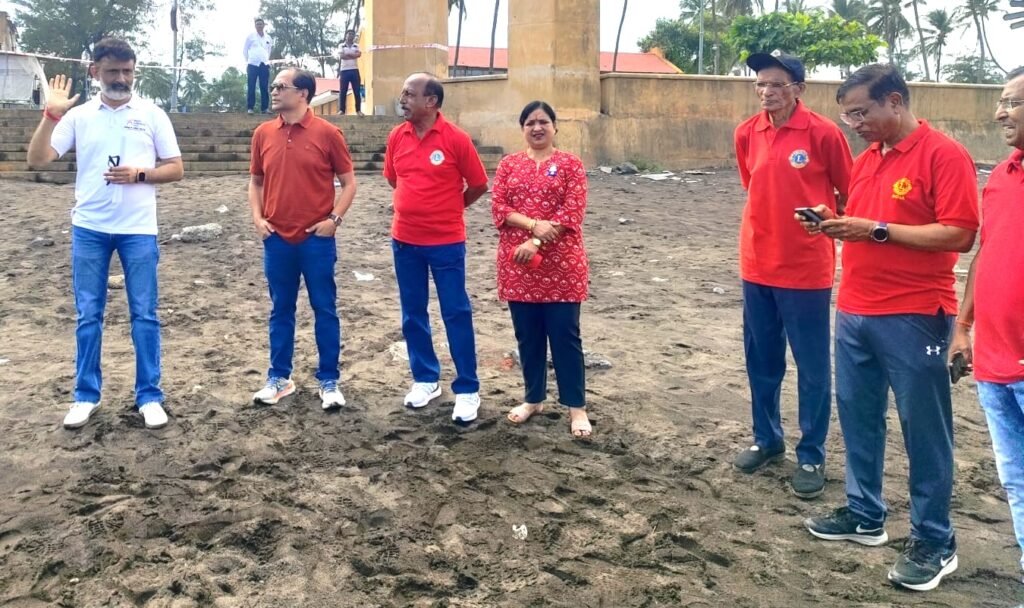
Drishti Foundation Trust recognises the importance of marine conservation and is working along Gujarat’s coastline to address plastic pollution, promote responsible waste management and encourage community participation in protecting coastal ecosystems. From Saurashtra to South Gujarat, the Trust and its volunteers are contributing to coastal-cleaning efforts aimed at reducing waste accumulation and strengthening public awareness about the importance of clean beaches and healthy marine environments.
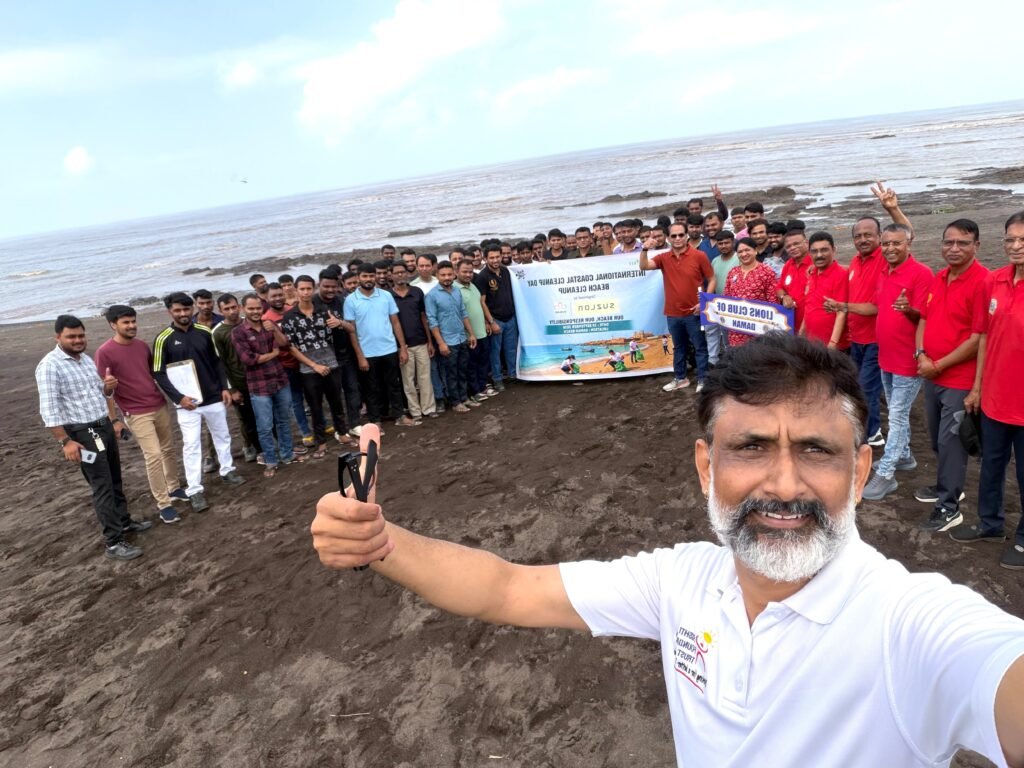
One significant example of this commitment is the coastal-cleaning exercise organised by Drishti Foundation Trust in Daman, where more than 200 volunteers participated and removed over one tonne of plastic waste. This collective effort demonstrates what can be achieved when citizens and environmental organisations come together with a shared purpose. It also highlights the scale of the challenge facing coastal environments and the need to combine cleaning activities with measures that prevent waste from entering the sea in the first place.
For Drishti Foundation Trust, marine conservation is not limited to removing visible litter from beaches. It is about protecting marine biodiversity, encouraging responsible consumption, improving environmental awareness and inspiring communities to become active participants in safeguarding the natural heritage of India’s coastline. Every responsible action taken today can contribute to a healthier marine environment for future generations.
Why Marine Conservation Is Crucial for Human Life
Marine ecosystems are fundamental to the survival and well-being of people. Oceans influence weather patterns, absorb a substantial proportion of the excess heat generated by global warming and play an important role in regulating the Earth’s climate. Marine organisms, including microscopic phytoplankton, contribute significantly to global oxygen production and carbon cycling. Healthy seas also support fisheries, tourism, maritime activities and coastal economies.
For millions of people, the sea is directly connected to food security and income. Fishing communities depend on healthy marine habitats to sustain their livelihoods, while coastal businesses rely on attractive beaches, clean surroundings and functioning ecosystems. When marine environments deteriorate, the consequences can extend well beyond the shoreline, affecting biodiversity, economic opportunities, public well-being and the resilience of coastal communities.
Marine conservation involves protecting and restoring these interconnected systems. It includes preventing pollution, conserving marine species and habitats, reducing the loss of biodiversity, supporting sustainable fisheries and ensuring that coastal development does not cause avoidable ecological damage. It also requires scientific research, public education, effective environmental governance and cooperation among governments, communities, businesses and civil society organisations.
Plastic pollution is among the most visible and persistent threats to marine ecosystems. Plastic bags, bottles, food wrappers, packaging materials, discarded fishing gear and other waste can accumulate along beaches, become trapped in coastal habitats or enter the sea. Some plastic items can injure or entangle marine animals, while others may be ingested by wildlife. Over time, larger plastic materials can fragment into microplastics that spread through marine environments.
The problem is not restricted to the appearance of beaches. Plastic waste can damage sensitive habitats, create hazards for wildlife and impose additional burdens on coastal communities and waste-management systems. Removing litter from the coastline is therefore an important intervention, but preventing plastic waste from being generated, discarded carelessly or carried into waterways is equally necessary.
A healthy coastline benefits everyone, whether they live beside the sea or hundreds of kilometres inland. Rivers, drainage systems and coastal environments are connected through the movement of water and waste. Materials discarded in cities and settlements can eventually reach the ocean. Consequently, marine conservation must begin not only on beaches but also in homes, schools, markets, industries and public spaces where waste is generated.
Gujarat’s Coastline: A Natural Heritage That Deserves Protection
Gujarat has one of India’s most extensive coastlines, stretching across ecologically diverse areas of Kutch, Saurashtra and South Gujarat. Its coastal landscape includes sandy beaches, rocky shores, estuaries, mudflats, mangroves and other habitats that support a wide variety of marine and coastal species.
These ecosystems perform important ecological functions. Mangroves provide habitats and nursery grounds for various aquatic organisms, help stabilise shorelines and can reduce the impact of certain coastal hazards. Estuaries connect freshwater and marine environments, supporting productive ecological systems. Intertidal habitats provide feeding and breeding areas for numerous organisms, including coastal birds. Beaches and adjoining coastal zones also support livelihoods, tourism and community recreation.
However, coastal ecosystems face multiple pressures. Plastic waste, inadequate waste collection, littering, wastewater pollution, habitat disturbance and certain unsustainable activities can affect the health of these environments. Seasonal changes, tides, winds and rainfall can redistribute litter, making coastal pollution a continuing management challenge rather than a problem that can be resolved through a single cleanup.
Protecting Gujarat’s coastline therefore requires a coordinated approach. Cleaning beaches is important, but so are effective waste collection, source segregation, responsible disposal, public awareness and enforcement of applicable environmental regulations. Businesses must take responsibility for the waste associated with their products, while communities need convenient systems for disposing of waste safely.
Drishti Foundation Trust’s coastal-cleaning activities from Saurashtra to South Gujarat reflect the importance of addressing this challenge through public participation and sustained environmental engagement. By encouraging volunteers to take direct action, the Trust seeks to strengthen the connection between environmental awareness and practical responsibility.
The broader objective is to help build a culture in which clean beaches are not considered the responsibility of a particular organisation or government department alone. They are shared public assets, and protecting them requires the participation of everyone who lives, works or visits along the coast.
Drishti Foundation Trust: Mobilising Communities for Coastal Conservation
Drishti Foundation Trust works on environmental conservation, water protection, ecosystem restoration, biodiversity and related public-interest initiatives. Its marine conservation efforts are guided by the understanding that environmental challenges require both practical interventions and changes in public behaviour.
Along Gujarat’s coastline, the Trust and its volunteers are working to address the visible problem of plastic waste while raising awareness about the consequences of marine pollution. These activities create opportunities for people to participate directly in conservation, understand the challenges facing coastal ecosystems and recognise their own role in preventing environmental degradation.
Volunteer participation is particularly valuable because it brings environmental responsibility into the public domain. When people work together to remove waste from a beach, they encounter the practical consequences of careless disposal and excessive dependence on disposable materials. This experience can encourage individuals to reconsider everyday habits, including the use of single-use plastics, littering and the failure to segregate waste.
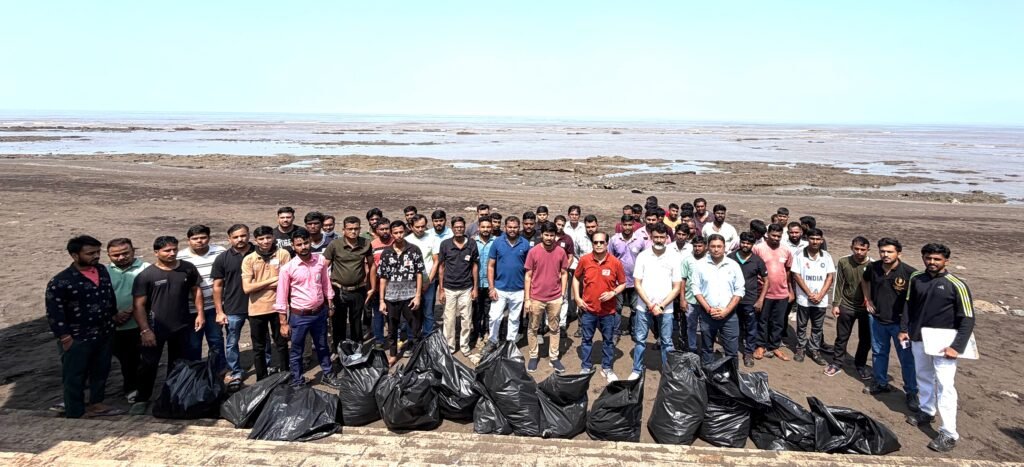
Such participation also helps bring communities together around a common environmental objective. Students, young people, local residents, civil society organisations and other volunteers can contribute time and effort while learning about coastal ecology and sustainable waste management.
For Drishti Foundation Trust, these initiatives are an opportunity to connect environmental education with action. The aim is not merely to organise a cleaning exercise, but to encourage a continuing commitment to pollution prevention, responsible consumption and protection of marine biodiversity.
A successful coastal conservation programme must also recognise the importance of local conditions. Different stretches of coastline face different pressures, and waste types may vary according to settlement patterns, tourism, commercial activity and nearby sources of pollution. Understanding these differences can help organisations and local authorities design more effective interventions.
By continuing to engage volunteers and promote environmental responsibility, Drishti Foundation Trust seeks to contribute to a wider movement for cleaner coastlines and healthier marine ecosystems in Gujarat.
A particularly significant example of community participation in marine conservation is the coastal-cleaning exercise organised by Drishti Foundation Trust in Daman. More than 200 volunteers came together to support the initiative, working collectively to remove over one tonne of plastic waste from the coastal environment.
This effort demonstrates the value of organised public participation in addressing environmental challenges. Each volunteer contributed to a shared objective: reducing the accumulation of plastic waste and helping protect the coastline from further pollution. The collective effort also highlighted the importance of treating coastal cleanliness as an ongoing environmental responsibility rather than an occasional activity.
Removing more than one tonne of plastic waste is a substantial operational achievement. It represents waste that was collected during the exercise and can be directed towards appropriate waste-management channels. At the same time, the scale of the collection serves as a reminder of the quantity of discarded material that can accumulate in coastal environments when waste prevention and disposal systems are inadequate.
Plastic waste is particularly challenging because many products designed for brief use can remain in the environment for extended periods. Packaging, disposable containers and other plastic items may be transported by wind, rainfall, tides and waves. Once these materials enter the marine environment, retrieving them can become more difficult, particularly when they fragment or move into sensitive habitats.
The Daman initiative therefore carries an important message: acting early matters. Removing accessible litter can help reduce immediate pollution, while public education and better waste-management practices can address some of the conditions that allow the problem to persist.
The participation of more than 200 volunteers also illustrates the power of collective action. Environmental protection can appear overwhelming when considered at the scale of an entire coastline. However, when people work together with a clear objective, they can achieve tangible results and create opportunities for broader community engagement.
For Drishti Foundation Trust, the initiative reinforces the importance of bringing environmental concerns into everyday public life. It demonstrates that citizens do not have to wait for large-scale interventions before contributing to environmental protection. They can participate in organised cleanups, reduce their own waste generation, encourage responsible disposal and help build awareness within their communities.
The long-term value of this effort will depend on follow-up activities, suitable waste disposal, prevention measures and continued public participation. Coastal cleaning is most effective when the waste collected is managed responsibly and the same locations are monitored to understand whether pollution is returning.
From Saurashtra to South Gujarat: A Shared Mission for Cleaner Coasts
Gujarat’s coastline encompasses a variety of geographical and ecological settings. The coastal areas of Saurashtra, the Gulf of Kutch, the Gulf of Khambhat and South Gujarat have different environmental characteristics and conservation requirements. Despite these differences, they share a common challenge: preventing waste and pollution from damaging the natural systems that sustain coastal life.
Drishti Foundation Trust and its volunteers are committed to supporting coastal cleanliness across these regions. This broader geographical focus reflects the understanding that marine pollution is not confined to a single beach or district. Waste can move between locations, and pollution generated inland can eventually affect coastal environments.
A coordinated approach to coastal conservation can help communities recognise these connections. Awareness programmes can explain how litter enters drains and waterways, how plastic materials travel through rivers and how coastal ecosystems are affected when waste reaches the sea. Such understanding can encourage people to take preventive action before waste becomes a marine pollution problem.
Local participation remains central to this approach. Residents understand the everyday conditions of their surroundings and can help identify litter hotspots, recurring waste problems and opportunities for improvement. Schools and colleges can engage students in environmental education, while businesses can support responsible waste management and organised volunteering.
Corporate and institutional participation can also strengthen coastal conservation by contributing volunteer time, logistical support, awareness resources and appropriate waste-management arrangements. These contributions are most valuable when activities are planned around clearly defined objectives and accompanied by transparent reporting.
Drishti Foundation Trust believes that the protection of Gujarat’s coastline should be a shared mission. From the coastal landscapes of Saurashtra to the shores of South Gujarat, every community has a role to play in reducing pollution and protecting marine biodiversity.
The goal is not simply to make a beach look clean for a day. It is to encourage the systems and behaviours that keep it cleaner over time.
Why Beach Cleaning Alone Cannot Solve Marine Pollution
Coastal-cleaning exercises are important, but they must be understood as one component of a comprehensive marine conservation strategy. Removing litter addresses existing pollution, whereas preventing pollution requires changes in waste generation, collection, treatment and disposal.
The first priority is to reduce avoidable plastic waste. Households and businesses can choose reusable alternatives where practical, avoid unnecessary packaging and minimise the use of disposable items. These measures help reduce the volume of material that may eventually require disposal.
The second priority is responsible waste segregation and collection. Plastic, paper, metal, glass, organic waste and other materials should be managed according to appropriate local systems. Waste should not be left on beaches, dumped into drains or discarded in open spaces where it can enter waterways.
Third, local authorities and waste-management agencies need effective arrangements for collecting, transporting, processing and disposing of waste. Cleaning initiatives should coordinate with appropriate agencies so that collected materials do not return to the environment through improper handling or disposal.
Fourth, public awareness must be continuous. People need practical information about the environmental consequences of littering and the actions they can take to prevent pollution. Educational programmes, community campaigns and responsible tourism practices can help reinforce these messages.
Fifth, environmental monitoring can help determine whether interventions are producing lasting improvements. Recording waste categories, quantities collected, sites covered and the frequency of repeated cleanups can reveal patterns. Where resources permit, repeated assessments can identify whether particular locations continue to receive high volumes of litter and where preventive action is most urgently required.
Finally, coastal conservation must protect wildlife and sensitive habitats. Cleaning activities should be planned responsibly, with suitable precautions for volunteers and care to avoid disturbing marine animals, nesting sites or fragile ecosystems. Hazardous or unidentified materials should be handled only by appropriately trained personnel.
These measures demonstrate why marine conservation requires cooperation among citizens, environmental organisations, public authorities, businesses and scientific institutions. A clean coastline is the result of both removing existing waste and building systems that prevent pollution from returning.
The Role of Citizens in Protecting Our Oceans
Every individual can contribute to marine conservation through practical and consistent choices. Environmental protection does not always require specialised knowledge or substantial financial resources. It often begins with responsible daily behaviour.
Citizens can reduce their use of disposable plastic products, carry reusable water bottles and bags, avoid littering, segregate household waste and participate in organised environmental activities. Visitors to beaches can ensure that the waste they bring is taken back or placed in designated collection facilities.
Families can teach children that rivers, beaches and oceans are shared natural resources deserving respect. Educational institutions can introduce students to marine biodiversity, plastic pollution and responsible consumption through classroom learning and supervised conservation activities.
Businesses can examine their packaging, improve waste collection arrangements and support initiatives that reduce pollution in the communities where they operate. Tourism operators can encourage visitors to follow responsible practices and help prevent litter from accumulating in popular coastal locations.
Environmental organisations can connect these individual contributions through awareness programmes, volunteer mobilisation, practical conservation activities and collaboration with relevant stakeholders.
Drishti Foundation Trust encourages citizens to recognise that environmental responsibility extends beyond the duration of a cleanup event. The real test is whether the lessons learned during such activities influence everyday decisions. A volunteer who participates in a beach cleanup and subsequently reduces plastic consumption, segregates waste and encourages others to do the same contributes to the longer-term purpose of marine conservation.
Collective action becomes more effective when it is supported by reliable waste-management systems, responsible governance and sustained community engagement.
Looking Ahead: Building a Plastic-Reduced and Pollution-Free Coastline
Drishti Foundation Trust’s coastal-cleaning work reflects an ambition to contribute to cleaner beaches, healthier ecosystems and stronger public awareness across Gujarat. The Daman initiative, with more than 200 volunteers and over one tonne of plastic waste removed, provides a concrete example of community participation in addressing coastal pollution.
The next step is to build on such efforts through regular engagement, careful documentation, partnerships and preventive action. Repeated cleaning activities can help maintain attention on vulnerable coastal locations, while waste audits and site assessments can provide useful information for designing more targeted interventions.
The Trust’s wider environmental work also highlights the importance of connecting coastal conservation with river protection, water conservation, biodiversity and environmental education. These issues are interconnected, and progress in one area can support improvements in others when activities are appropriately planned.
A genuinely pollution-free coastline is a long-term aspiration that requires more than volunteer effort alone. It depends on preventing waste at source, improving waste-management infrastructure, protecting natural habitats and ensuring that environmental responsibilities are taken seriously by individuals and institutions alike.
Drishti Foundation Trust will continue to encourage public participation and responsible environmental practices as part of its commitment to a cleaner and more sustainable India.
Let Us Protect Our Coastline Together as Protecting Our Coastline Is Protecting Our Future
Marine conservation is crucial for human life because healthy oceans sustain biodiversity, support livelihoods, influence the climate and contribute to the well-being of present and future generations. Protecting these ecosystems requires us to address plastic pollution, improve waste management and recognise that our actions on land can have consequences far out at sea.
Drishti Foundation Trust is working along Gujarat’s coastline, from Saurashtra to South Gujarat, to promote coastal cleanliness and encourage communities to take responsibility for their natural surroundings. The participation of more than 200 volunteers in the Daman coastal-cleaning exercise and the removal of over one tonne of plastic waste demonstrate the practical contribution that collective action can make.
However, the mission does not end when the last piece of litter is collected. It continues when we refuse unnecessary plastic, dispose of waste responsibly, support effective waste-management systems and encourage others to protect the environment.
A cleaner coastline begins with responsible choices. A healthier ocean depends on collective action.
Drishti Foundation Trust invites citizens, students, volunteers, businesses and institutions to join the movement for marine conservation. Together, we can help reduce plastic pollution, protect coastal biodiversity and work towards cleaner beaches and healthier marine ecosystems.
Let us work together to keep Gujarat’s coastline cleaner, protect our oceans and safeguard our natural heritage for generations to come.
Support Drishti Foundation Trust’s environmental initiatives: Participate in coastal-cleaning activities, mobilise volunteers, promote responsible waste management and help build a future in which environmental protection becomes a shared public commitment.
Related Post

Income Tax Act 2025 for NGOs: New Compliance Rules, Changes from the 1961 Act and Benefits for Charitable Organisations
The Income Tax Act, 2025 introduces a reorganised compliance framework for NGOs and charitable organisations [...]

Social Stock Exchange and Its Importance in the Modern Social Sector
The Social Stock Exchange (SSE) is a groundbreaking initiative in India designed to transform how [...]

Frequently Asked Questions (FAQs) on Corporate Social Responsibility
Explore our detailed FAQ section on Corporate Social Responsibility (CSR) to get all your questions [...]