
From the Sabarmati to Porbandar: Drishti Foundation Trust’s Commitment to Cleaner Rivers, Cleaner Coasts and a Sustainable India
It is a privilege for Drishti Foundation Trust to contribute to environmental conservation through its association with the cleaning and rejuvenation efforts of the Sabarmati River and to extend this commitment to coastal cleaning initiatives in Porbandar, the birthplace of Mahatma Gandhi. For us, these initiatives represent more than environmental activities. They reflect a continuing responsibility to protect India’s natural resources, restore ecological balance and encourage communities to become active participants in environmental protection.
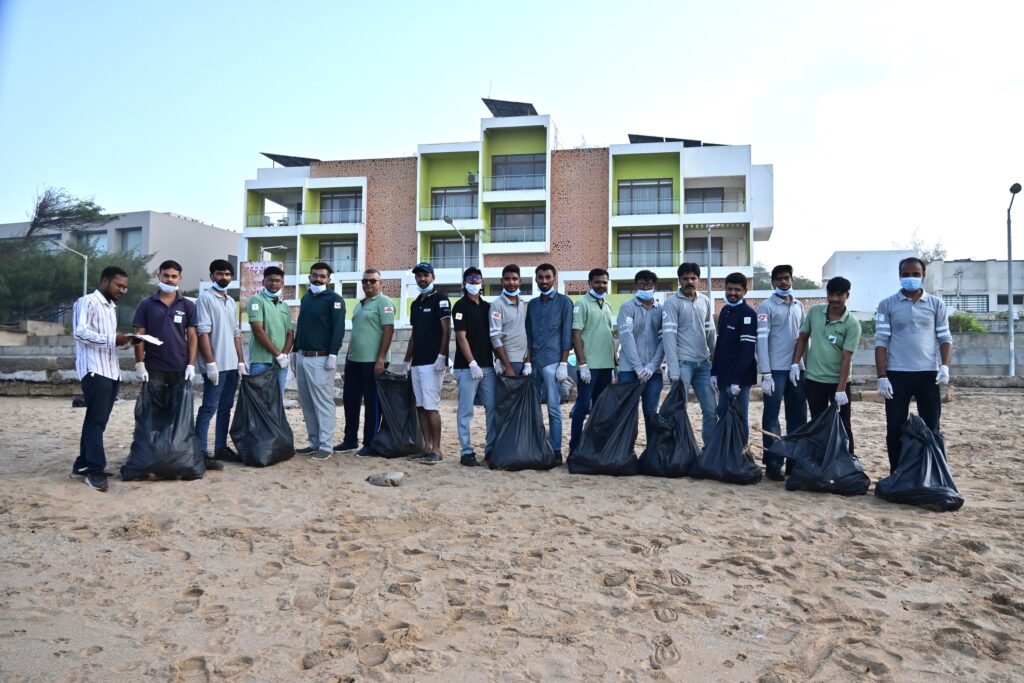
Rivers and oceans are essential to life. They support biodiversity, sustain livelihoods, influence local economies and connect communities across geographical boundaries. Yet, the growing pressure of urbanisation, plastic pollution, improper waste disposal and unsustainable consumption has placed many of these ecosystems under considerable stress. The consequences are visible in polluted riverbanks, littered beaches, threatened marine wildlife and the gradual degradation of natural habitats. Addressing these challenges requires sustained public participation, responsible waste management, institutional cooperation and a long-term commitment to environmental stewardship.
Drishti Foundation Trust believes that environmental conservation must move beyond occasional awareness campaigns and become a continuous public responsibility. Our engagement with river-cleaning efforts along the Sabarmati and the initiation of coastal-cleaning activities in Porbandar reflect this approach. By working across riverine and coastal environments, we aim to encourage a broader understanding of the relationship between human behaviour, waste management and the health of our ecosystems.
The initiative in Porbandar holds particular significance. As the birthplace of Mahatma Gandhi, the city carries a powerful legacy of simplicity, responsibility and service to society. Extending environmental action to this historic coastal location provides an opportunity to connect Gandhian values with one of the most urgent environmental challenges of our time: protecting our rivers, seas and coastlines from pollution.
From the Sabarmati River to the Arabian Sea: Connecting Environmental Priorities
The Sabarmati River occupies an important place in Gujarat’s geographical, ecological and cultural landscape. Flowing through different settlements and landscapes before reaching the Gulf of Khambhat, it connects communities and environments across the region. Ahmedabad, one of Gujarat’s major urban centres, has a particularly strong association with the Sabarmati, making river conservation an important concern for citizens, institutions and environmental organisations.
Drishti Foundation Trust’s association with the cleaning of the Sabarmati reflects the importance of protecting water bodies through collective action. River-cleaning initiatives help bring attention to the environmental consequences of littering, unmanaged waste and the disposal of plastics and other pollutants into waterways. They also create opportunities to engage residents, volunteers and institutions in practical conservation activities.
However, a healthy river cannot be achieved through cleaning alone. River pollution is influenced by several interconnected factors, including wastewater discharge, solid-waste management, industrial effluents, encroachment and the condition of the surrounding catchment. Effective river conservation therefore requires a combination of physical cleaning, pollution prevention, public education, appropriate infrastructure and consistent monitoring.
For this reason, river-cleaning activities should be understood as part of a larger environmental restoration process. Removing accumulated litter from accessible riverbanks can improve the immediate surroundings, but preventing new waste from entering the river is equally important. Public awareness, segregation of waste, responsible disposal practices and coordination with relevant authorities are essential to sustaining the benefits of these efforts.
The environmental connection between rivers and coastal areas makes this work even more significant. Waste discarded in inland settlements can enter stormwater drains, streams and rivers, eventually reaching estuaries and the sea. Lightweight plastic packaging, bottles, food wrappers and other discarded materials may travel considerable distances before accumulating along riverbanks, beaches and coastal habitats.
This connection demonstrates why environmental conservation cannot be restricted to isolated locations. Protecting a river and protecting a coastline are complementary responsibilities. A cleaner river system can help reduce the movement of land-based waste towards the ocean, while cleaner coastal environments support marine biodiversity, fisheries, tourism and the livelihoods of communities that depend on the sea.
Drishti Foundation Trust’s engagement with both river-cleaning and coastal-cleaning activities reflects the need for an integrated approach to environmental protection. The objective is not simply to remove visible waste, but also to encourage a culture in which preventing pollution becomes as important as addressing its consequences.
Porbandar: Taking Environmental Action in the Birthplace of Mahatma Gandhi
Porbandar is internationally recognised as the birthplace of Mahatma Gandhi and is an important coastal city in Gujarat. Situated along the Arabian Sea, it combines historical significance with a coastal environment that deserves sustained public attention and protection.
For Drishti Foundation Trust, initiating a coastal-cleaning initiative in Porbandar is a meaningful extension of its environmental commitment. The initiative connects the practical task of reducing coastal litter with the broader responsibility of preserving the natural heritage of a city that occupies a special place in India’s history.
Coastal areas are dynamic ecosystems. Beaches, intertidal zones, rocky shores, wetlands and nearby marine habitats provide space for a variety of organisms and support ecological processes that are essential to the health of the sea. These environments can also support fishing communities, tourism, recreation and local economic activity. When waste accumulates along the coast, its effects can extend beyond the appearance of a beach.
Plastic pollution is a particular concern because many plastic items persist in the environment for long periods. Larger pieces can entangle marine animals or be ingested by wildlife. Over time, some plastics fragment into smaller particles, including microplastics, which can spread through marine environments and enter food webs. Discarded fishing gear, packaging materials and other waste can also damage coastal habitats and create hazards for wildlife and people.
Coastal cleaning helps address visible pollution and creates an opportunity to make these risks more understandable to the public. When volunteers collect and document waste, they can see how everyday consumption and disposal practices influence the condition of shared natural spaces. The experience can encourage individuals to reduce unnecessary single-use plastics, dispose of waste responsibly and support stronger waste-management systems.
The significance of conducting this work in Porbandar extends beyond geography. Mahatma Gandhi’s emphasis on personal responsibility, restraint, cleanliness and service offers a valuable framework for environmental action. His legacy reminds us that meaningful social change begins when individuals recognise their responsibilities towards the wider community.
A cleaner coastline is therefore not only an environmental objective. It is also a public expression of civic responsibility and respect for shared natural heritage. By initiating coastal-cleaning activities in Porbandar, Drishti Foundation Trust seeks to reinforce the message that protecting nature is a practical responsibility that must be reflected in our everyday actions.
The initiative also presents an opportunity to engage local residents, young people, educational institutions, community groups and other stakeholders. Their participation can help build a stronger local understanding of coastal pollution and encourage continued attention to the condition of the surrounding environment.
Why Coastal Cleaning Matters for Marine Conservation
India has a long coastline that supports a wide range of marine and coastal ecosystems. These environments provide habitats for fish, crustaceans, molluscs, seabirds, marine turtles and many other forms of life. They also contribute to food security, employment, coastal protection and economic activity.
Despite their importance, coastal ecosystems face multiple pressures, including plastic pollution, untreated wastewater, habitat degradation, unsustainable resource use and the effects of climate change. Coastal cleaning is one practical intervention that can help address the visible portion of this problem while drawing attention to the need for wider preventive measures.
First, coastal cleaning helps remove litter from accessible areas before some of it can be carried back into the sea by tides, waves, wind or rainfall. The effectiveness of this intervention depends on the location, timing, waste type and disposal arrangements, but properly planned activities can reduce the amount of accessible litter left in the environment.
Second, these initiatives can support environmental awareness. Public participation makes pollution tangible. A collection of discarded bottles, wrappers, multilayer packaging and other waste can demonstrate how frequently materials intended for short-term use become a long-term environmental burden.
Third, coastal cleaning can generate useful information. Recording the types and quantities of waste collected can help identify recurring pollution sources and inform future interventions. If food packaging, plastic bottles or particular categories of discarded materials dominate a site, the findings can guide awareness campaigns and discussions with local authorities, businesses and waste-management agencies.
Fourth, these activities can encourage collective responsibility. Environmental protection becomes more effective when citizens, civil society organisations, educational institutions, local businesses and public authorities work towards shared objectives. Volunteer participation can strengthen community ownership, provided that activities are supported by suitable planning, safety arrangements and responsible waste disposal.
Nevertheless, coastal cleaning should not be mistaken for a complete solution to marine pollution. Long-term progress requires reducing waste generation, improving collection and segregation, strengthening recycling and recovery systems, preventing wastewater pollution and ensuring that discarded materials do not enter drains and waterways in the first place.
For Drishti Foundation Trust, coastal cleaning is therefore both an immediate environmental intervention and a platform for promoting lasting behavioural change.
A People-First Approach to Environmental Conservation
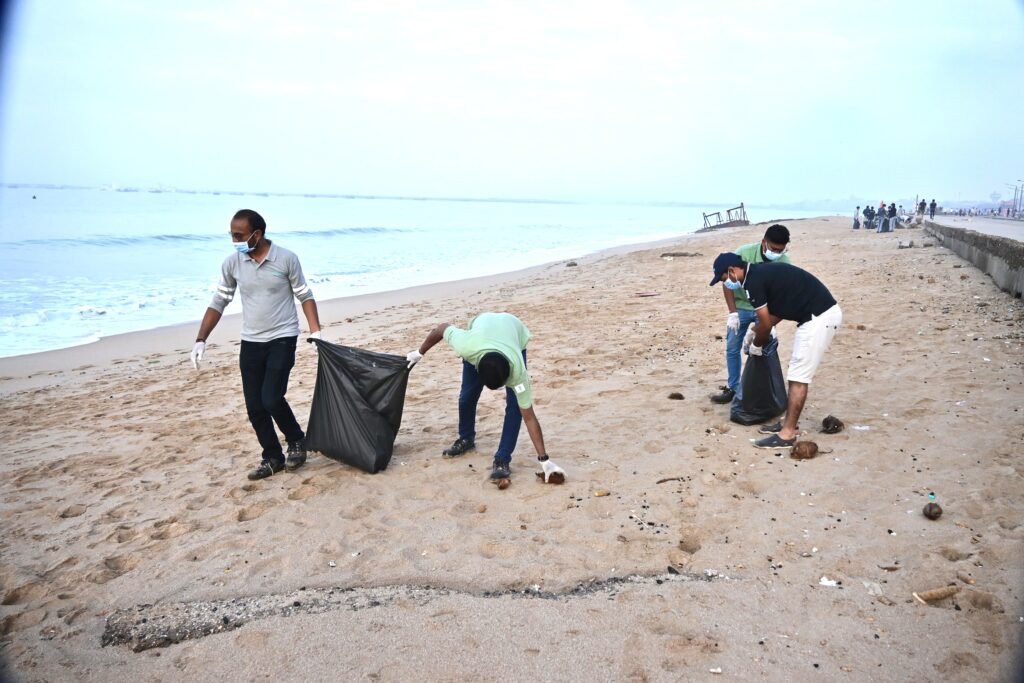
At the heart of Drishti Foundation Trust’s environmental work is the belief that lasting conservation depends on people. Environmental challenges cannot be addressed by institutions alone. Every citizen, household, business and community has a role to play in reducing pollution and protecting natural resources.
A people-first approach begins by understanding local environmental conditions and involving the communities most closely connected to them. In Porbandar, this means recognising the relationship between coastal health, public cleanliness, community well-being and livelihoods that depend on the marine environment. In Ahmedabad, it means encouraging citizens to understand the importance of keeping the Sabarmati and its surrounding areas free from litter and preventable pollution.
Such an approach also recognises that environmental responsibility must be inclusive. Students, youth volunteers, community organisations, local residents and corporate volunteers can contribute in different ways. Educational activities can help younger generations understand the consequences of plastic pollution, while community participation can encourage practical changes in waste disposal and consumption habits.
Drishti Foundation Trust believes that environmental initiatives should create opportunities for learning, participation and accountability. Every cleaning activity can become an opportunity to communicate why the waste accumulated, how it can be prevented from returning and what improvements are needed in local waste-management practices.
The objective is to move from one-day participation towards sustained environmental engagement. A clean riverbank or beach is a valuable immediate outcome, but a community that takes responsibility for maintaining that cleanliness represents a more lasting achievement.
From Cleaning Activities to Measurable Environmental Impact
Environmental initiatives must be supported by clear objectives, responsible implementation and transparent reporting. Drishti Foundation Trust recognises that documenting activities and assessing their outcomes are important for understanding progress and improving future interventions.
For river and coastal cleaning initiatives, useful indicators include the quantity and categories of waste collected, the length or area covered, the number of participants, the arrangements made for safe disposal and the frequency of repeat activities. Where feasible, periodic site assessments can help determine whether litter is returning and whether preventive measures are working.
These indicators should be interpreted carefully. The quantity of waste removed represents an immediate operational output, but it does not independently establish long-term ecological recovery. Stronger environmental outcomes require evidence that pollution is being prevented, waste-management practices are improving and vulnerable habitats are receiving appropriate protection.
Drishti Foundation Trust aims to promote this broader understanding of impact. Cleaning activities should complement, rather than replace, effective municipal waste collection, sewage treatment, pollution control and ecosystem restoration. Collaboration with relevant government departments, local authorities, academic institutions, businesses and community stakeholders can help connect public participation with these larger requirements.
Safety and environmental sensitivity are equally important. Volunteers should receive suitable instructions, use appropriate protective equipment and avoid handling hazardous, medical or unidentified waste without trained personnel. Collected materials should be segregated where practical and transferred to authorised waste-management channels. Activities should also be planned to avoid disturbing nesting wildlife, sensitive coastal habitats or other ecologically vulnerable areas.
Responsible implementation ensures that environmental action does not create additional risks for the people or ecosystems it is intended to protect.
The Road Ahead: Building a Culture of Environmental Responsibility
The journey from the Sabarmati River to the coast of Porbandar reflects a broader vision of environmental stewardship. Rivers, wetlands, beaches and oceans are interconnected parts of the natural systems that sustain life. Protecting them requires scientific understanding, community participation, responsible governance and consistent action.
Drishti Foundation Trust sees considerable scope for strengthening this work through environmental education, volunteer engagement, waste awareness campaigns and collaboration with institutions committed to sustainability. Schools and colleges can help cultivate responsible environmental habits among young people. Businesses can contribute through structured volunteering and support for waste reduction. Communities can help identify pollution hotspots and encourage appropriate disposal practices. Public authorities can strengthen the systems needed to prevent waste from entering water bodies.
The Trust also recognises the importance of prevention. Reducing unnecessary single-use plastics, encouraging reusable alternatives, improving segregation at source and supporting responsible consumption can reduce the pressure on rivers and coastal ecosystems. These everyday actions, when adopted widely, can complement organised cleaning and restoration programmes.
Environmental conservation must remain a continuing commitment rather than a response limited to special occasions. Regular follow-up, community education, reliable documentation and partnerships can help transform individual activities into a sustained programme of environmental improvement.
A Cleaner Sabarmati, A Cleaner Porbandar and a Healthier Future
It is a privilege for Drishti Foundation Trust to be associated with the cleaning of the Sabarmati River and to initiate coastal-cleaning activities in Porbandar, the birthplace of Mahatma Gandhi. These efforts reflect a commitment to protecting natural resources, encouraging public participation and strengthening awareness of the connections between rivers, coasts and oceans.
The significance of this work lies not only in the waste removed from a particular location, but also in the responsibility it encourages among citizens. Every piece of litter prevented from entering a drain, every responsible waste-disposal decision and every community member who participates in conservation contributes to a larger environmental purpose.
Porbandar provides a particularly meaningful setting for this commitment. Inspired by the values of service, simplicity and personal responsibility associated with Mahatma Gandhi, we believe that environmental protection must begin with individual action and grow through collective effort.
Drishti Foundation Trust will continue to encourage a culture in which clean rivers, healthy coastlines and protected ecosystems are recognised as shared responsibilities. Our vision is an India where communities actively participate in environmental conservation, institutions work together to prevent pollution and future generations inherit a healthier natural environment.
Protecting our rivers is protecting our oceans. Cleaning our coastlines is protecting our shared future. Let us work together to keep the Sabarmati, Porbandar’s coastline and India’s natural heritage cleaner, healthier and more resilient.
Join Drishti Foundation Trust in supporting river conservation, coastal cleaning, marine protection and community-led environmental action. Every responsible action matters, and collective commitment can help create lasting change.
Support Drishti Foundation Trust: Participate in environmental initiatives, encourage responsible waste management, mobilise volunteers and support sustained conservation efforts for a cleaner and more
Related Post
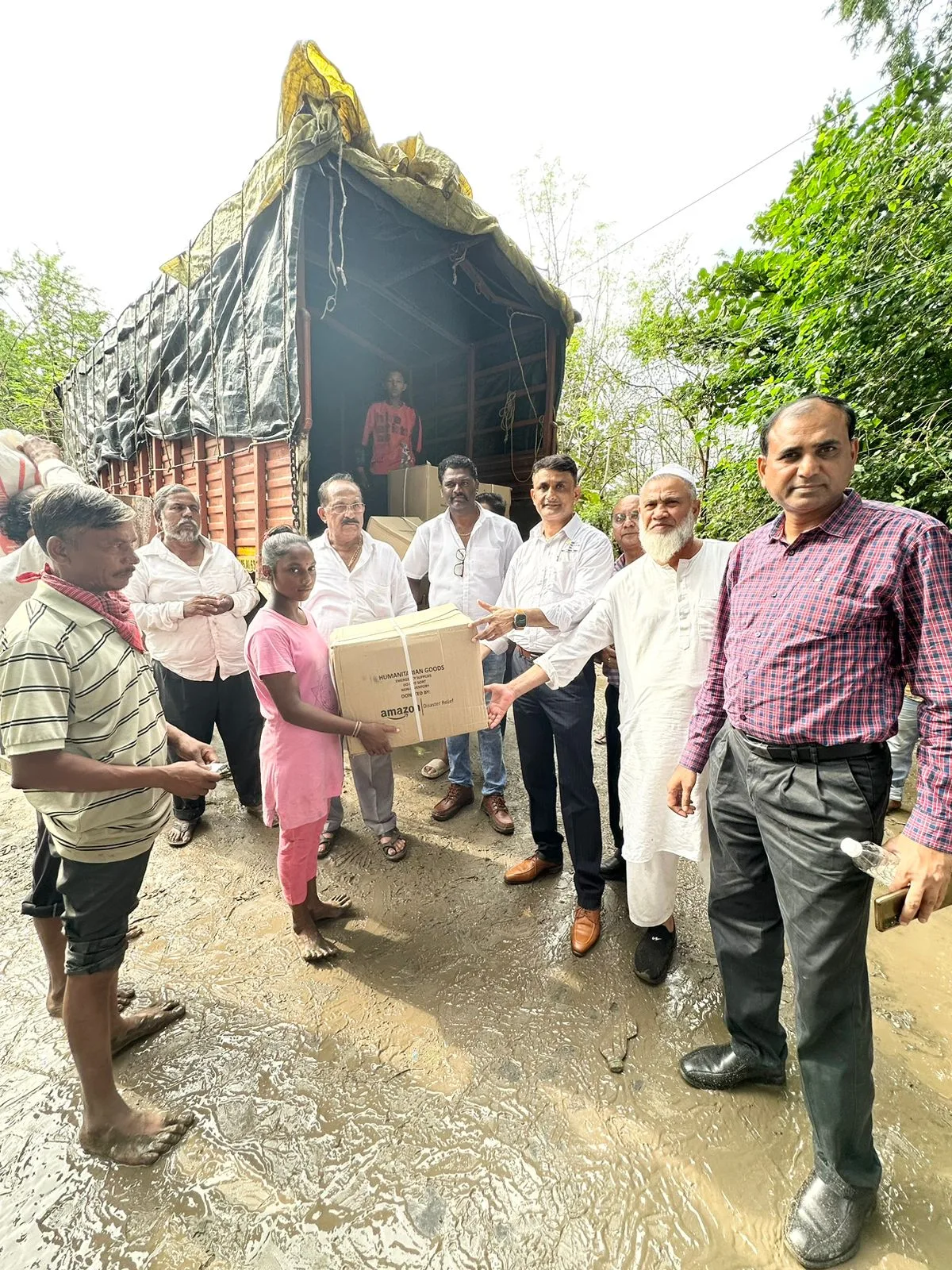
Drishti Foundation Trust: A Trailblazer in CSR Initiatives – Transforming Communities through Health, Education, and Environmental Initiatives
In a world fraught with disparities and challenges, organizations committed to social welfare play a [...]

Unveiling the Essence of Drishti Foundation Trust’s Logo: A Symbol of Hope, Action, and Sustainability
our logo is not just a design; it is a powerful narrative of our relentless [...]
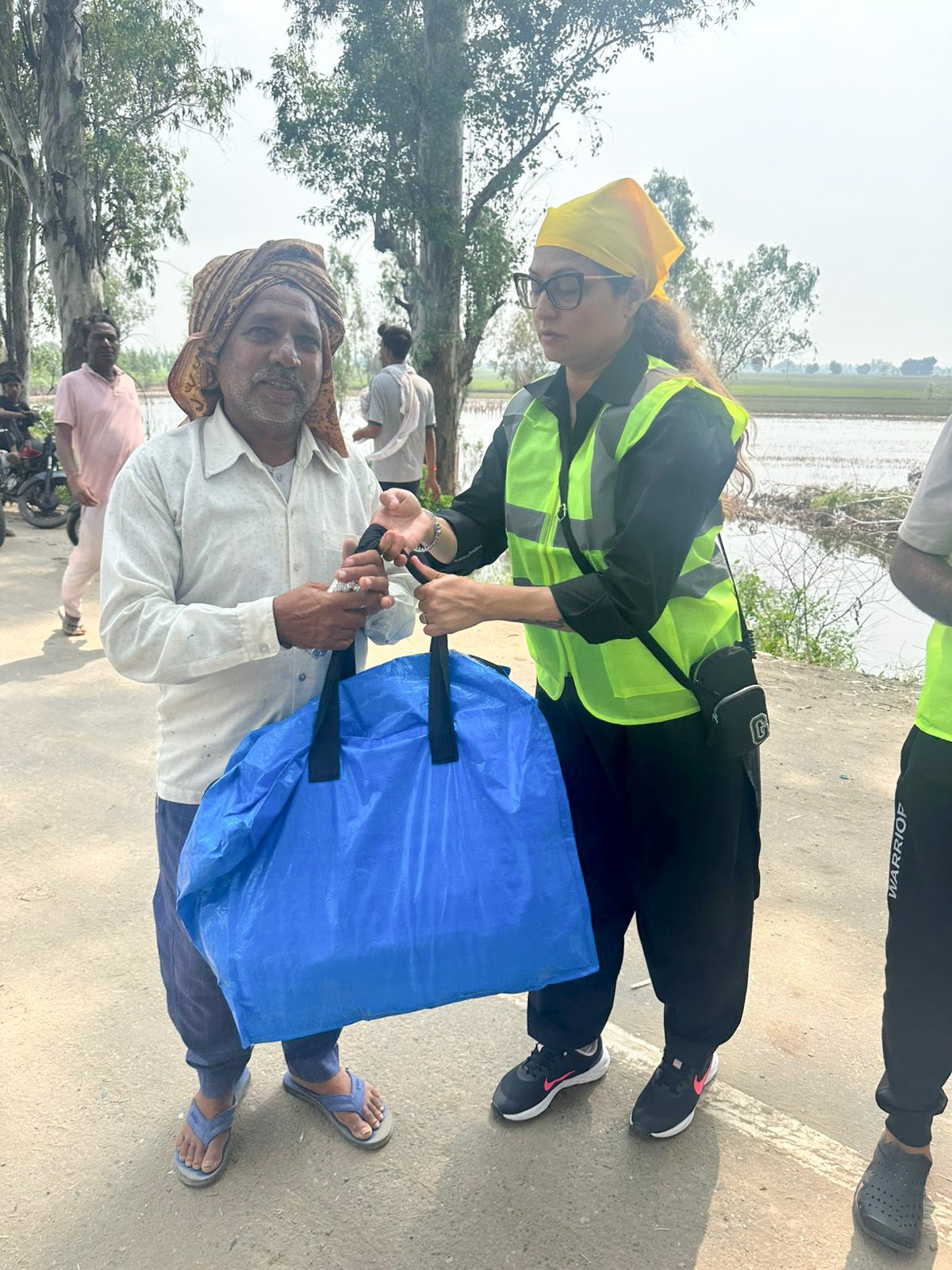
From Relief to Rehabilitation: Drishti Foundation Trust’s Commitment in Punjab Floods
Drishti Foundation Trust stepped up during the Punjab floods, providing shelter kits to over 1,000 [...]