
From River Cleaning to Urban Renewal: Drishti Foundation Trust’s Eight-Year Journey Along the Sabarmati
A River Entering a New Era
For more than eight years, Drishti Foundation Trust has been associated with the cleaning and environmental improvement of the Sabarmati River in Gujarat. What began as a commitment to address river pollution has gradually become part of a larger vision for ecological restoration, biodiversity conservation and sustainable urban development. The removal of more than 900 tonnes of garbage from the Sabarmati River environment and the reported presence of 28 bird species along the riverbed reflect the importance of sustained environmental efforts and the potential of urban water bodies to support nature.
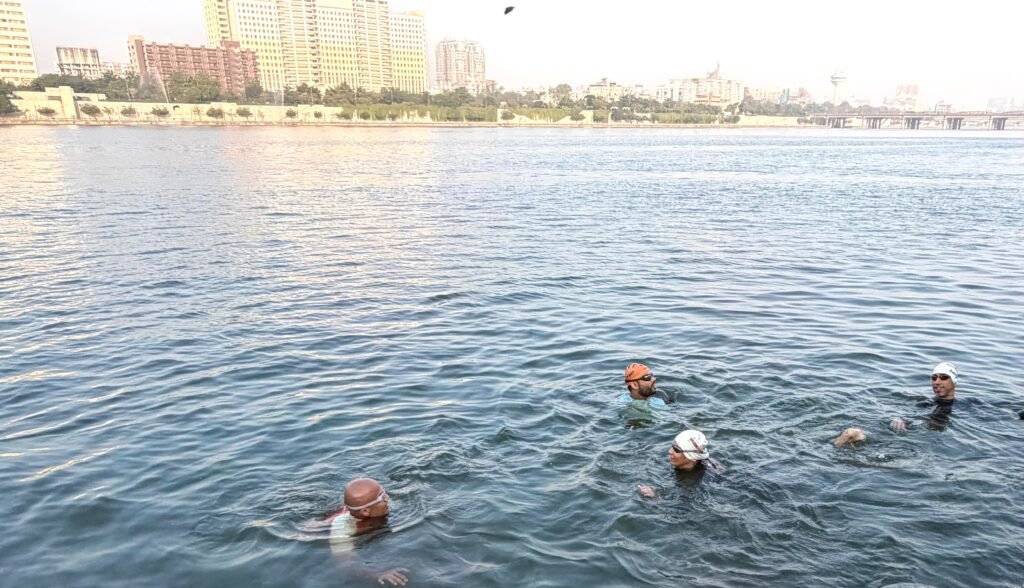
The Sabarmati River is an integral part of Ahmedabad’s identity. It connects the city’s history, culture, communities and urban landscape. For generations, the river has been a source of inspiration and a defining geographical feature of the region. Yet, like many rivers flowing through rapidly growing cities, the Sabarmati has faced significant environmental pressures arising from urbanisation, waste disposal and pollution.
Drishti Foundation Trust believes that a river should not be viewed merely as a channel through which water flows or as a space for urban development. It is a living environmental system that supports biodiversity, influences the surrounding landscape and contributes to the well-being of communities. Protecting a river therefore requires more than occasional cleaning. It demands consistent effort, public participation, responsible waste management and a long-term commitment to maintaining ecological health.
After years of persistent work, the Sabarmati is increasingly being recognised not only as an environmental concern but also as an opportunity to create a more nature-conscious urban future. The riverbed and its surroundings have the potential to welcome nature enthusiasts, birdwatchers, environmental researchers, recreational visitors and people interested in understanding the relationship between cities and their natural ecosystems.
The next chapter of the Sabarmati’s journey must be built on a clear principle: urban development and environmental protection should progress together. A cleaner river, healthier biodiversity and responsible public access can contribute to a more sustainable and liveable Ahmedabad.
Eight Years of Consistent Effort: Removing More Than 900 Tonnes of Garbage
Environmental restoration is rarely achieved through a single activity. Rivers accumulate waste over time, and pollution can return when the underlying causes are not addressed. This is why Drishti Foundation Trust’s association with Sabarmati River cleaning over more than eight years is significant.
During this period, the Trust’s cleaning efforts have contributed to the removal of more than 900 tonnes of garbage from the river environment. This quantity represents a substantial operational contribution towards addressing accumulated waste and improving the condition of the areas covered by the cleaning activities.
The waste found in urban river environments can include plastic packaging, discarded household materials, construction debris and other solid waste. When such materials accumulate along riverbanks or in the riverbed, they can affect the visual quality of the landscape, create hazards for wildlife and contribute to broader pollution concerns.
Removing accumulated garbage is an important first step towards improving the river’s surroundings. However, river rejuvenation must also address the sources of pollution. Wastewater treatment, solid-waste collection, prevention of illegal dumping, catchment management and responsible public behaviour are essential to maintaining long-term improvements.
Drishti Foundation Trust recognises that cleaning activities must be supported by continuous monitoring and preventive measures. The removal of waste should not be considered the final outcome of river conservation, but rather a foundation upon which more comprehensive environmental restoration can be developed.
The Sabarmati experience demonstrates the value of consistency. Environmental work often requires patience, coordination and repeated interventions before visible improvements can be sustained. The Trust’s continuing engagement reflects its belief that rivers deserve long-term attention rather than short-lived campaigns.
Nature Returning to the Riverbed: The Significance of 28 Bird Species
One of the encouraging observations associated with the Sabarmati River environment is the reported presence of 28 bird species along the riverbed. This observation offers an opportunity to highlight the ecological value of urban rivers and the importance of protecting the habitats that support wildlife.
Birds are an important part of ecological systems. Different species depend on different environmental conditions, including food availability, vegetation, open spaces, water, nesting locations and suitable resting areas. Riverbeds and their surrounding habitats can provide feeding and resting opportunities for resident and migratory birds.
The presence of multiple bird species can contribute to public understanding of the relationship between environmental conditions and biodiversity. It can also encourage nature enthusiasts, students, birdwatchers and researchers to explore the ecological significance of urban landscapes.
However, bird diversity should be understood as one indicator of ecological interest rather than definitive proof that a river ecosystem has fully recovered. A comprehensive assessment of river health requires additional information, including water quality, habitat condition, aquatic biodiversity, seasonal variation and the availability of suitable ecological flows.
For Drishti Foundation Trust, the reported observation of 28 bird species represents an encouraging reason to strengthen biodiversity awareness around the Sabarmati. It reminds us that urban rivers can provide valuable spaces for wildlife when their habitats are protected and environmental pressures are managed responsibly.
The riverbed can become a place where people learn to appreciate nature within the city. Birdwatching, guided nature walks, biodiversity education and environmental research can help connect citizens with the natural systems that exist alongside urban infrastructure.
The presence of birds also brings an important responsibility. Public access and recreational activities must be planned in ways that avoid disturbing nesting areas, feeding habitats and sensitive wildlife locations. A nature-friendly river environment should allow people to appreciate biodiversity without compromising the needs of the species that depend on it.
Welcoming Nature Enthusiasts: A New Dimension of the Sabarmati
After years of cleaning and environmental engagement, the Sabarmati River environment has the potential to welcome visitors through a wider range of nature-oriented activities. This represents an important shift in how urban water bodies can be understood and used.
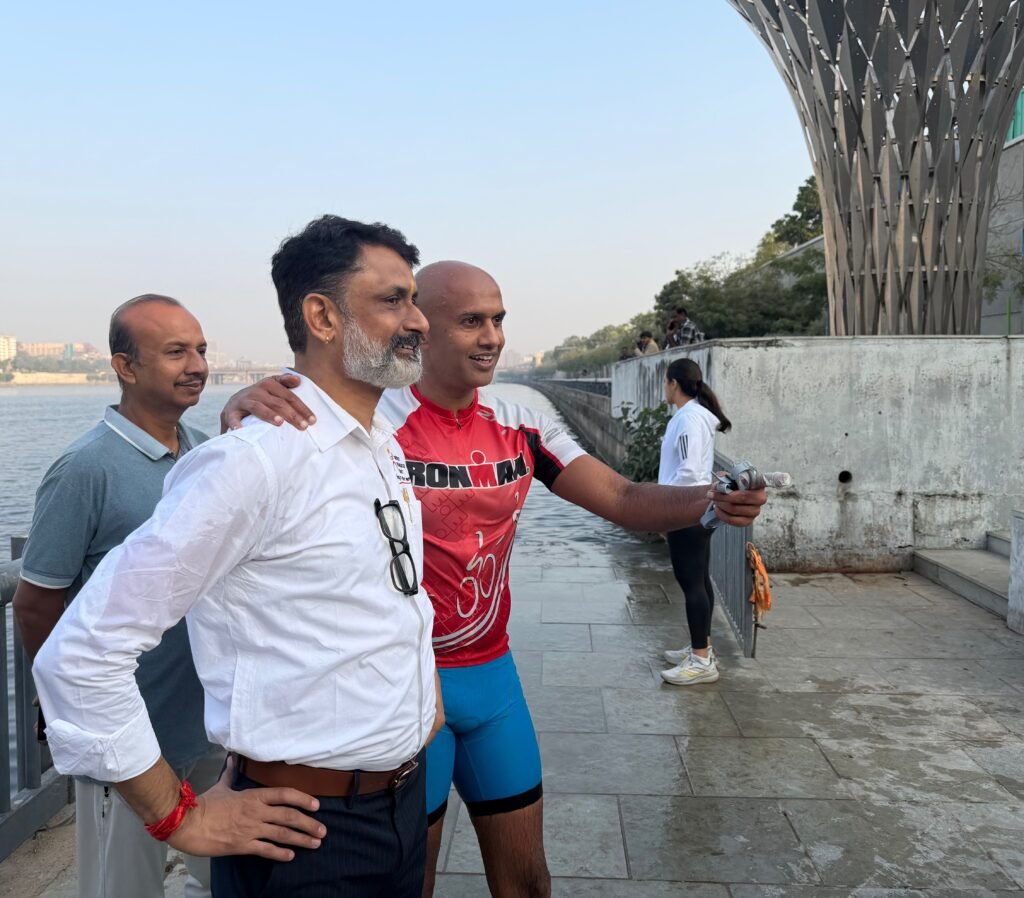
Nature enthusiasts are increasingly interested in places where they can observe birds, experience open landscapes, learn about local biodiversity and understand the environmental history of a city. The Sabarmati riverbed and its surroundings may offer opportunities for such activities when access is planned responsibly and ecological conditions are suitable.
The river can become a valuable outdoor learning environment for schools, colleges, environmental organisations and research institutions. Students can study urban biodiversity, river ecology, waste management and the relationship between human activity and natural systems.
Nature walks and birdwatching activities can also help strengthen public awareness. When people experience biodiversity directly, they may develop a stronger understanding of why rivers and their surrounding habitats need protection.
For Ahmedabad, this presents an opportunity to connect urban development with environmental education. A river that supports nature-based activities can become a shared public resource that encourages citizens to value ecological health alongside recreation and infrastructure.
Drishti Foundation Trust believes that the future of the Sabarmati should include opportunities for people to experience nature while respecting the river’s environmental requirements. Such a vision can help create a stronger public connection with the river and encourage long-term support for its conservation.
The Possibility of Swimming and International Water Sports
The idea of the Sabarmati becoming a destination for swimming and international-level sporting activities represents an exciting future possibility. A river that has undergone sustained cleaning and environmental improvement may offer opportunities for recreational and sporting use, provided the necessary environmental, technical and public-safety conditions are met.
However, the suitability of river water for swimming cannot be determined by the quantity of garbage removed or by the presence of bird species alone. Water quality must be independently tested and assessed against applicable public-health standards. Parameters such as microbial contamination, chemical pollutants, water clarity, flow conditions and other relevant risks must be evaluated before swimming is permitted.
River conditions can change significantly with rainfall, upstream discharges, seasonal flows and other factors. Therefore, any future swimming or water-sport programme must be supported by regular water-quality monitoring, appropriate safety infrastructure, trained personnel and formal approval from the relevant authorities.
With these safeguards in place, the Sabarmati may have the potential to host carefully planned recreational water activities and sporting events. Such activities could contribute to Ahmedabad’s urban identity, encourage public participation and create opportunities for sports development.
The aspiration to welcome international swimmers should be viewed as a long-term vision rather than a declaration that the river is currently safe for swimming. Achieving that vision will require scientific evidence, responsible planning and continued investment in river health.
For Drishti Foundation Trust, the possibility of future sporting activities reinforces the importance of protecting the river today. A river that is safe, ecologically healthy and responsibly managed can offer benefits that extend well beyond its immediate surroundings.
The Sabarmati and a New Era of Sustainable Urban Development
The Sabarmati is entering an important phase in its relationship with Ahmedabad’s urban development. The future of the river should not be measured only by infrastructure, public spaces or the appearance of its surroundings. It should also be assessed by the quality of its environment, the condition of its habitats and the opportunities it provides for people and nature to coexist.
Sustainable urban development requires cities to protect natural systems while meeting the needs of growing populations. Rivers can play an important role in this process by providing ecological corridors, supporting biodiversity, improving public access to nature and contributing to environmental education.
The Sabarmati’s future could include carefully designed nature areas, biodiversity observation points, educational activities, sustainable recreation and opportunities for research. Such development should be guided by ecological assessments and should avoid damaging sensitive habitats or restricting the natural functioning of the river.
Drishti Foundation Trust believes that the next era of the Sabarmati should be defined by a balance between environmental restoration and responsible urban development. A cleaner river should become an inspiration for better waste management, stronger environmental governance and greater public participation.
The river’s transformation also offers an important lesson for other urban water bodies across India. Consistent cleaning, pollution prevention, biodiversity monitoring and community engagement can help create a foundation for more sustainable river management.
A Cleaner Sabarmati, A More Nature-Conscious Ahmedabad
After more than eight years of consistent environmental engagement, Drishti Foundation Trust’s association with the Sabarmati River represents a continuing commitment to river cleaning and ecological improvement. The removal of more than 900 tonnes of garbage and the reported observation of 28 bird species highlight the importance of sustained effort and the potential of urban river environments to support biodiversity.
The Sabarmati now offers an opportunity to welcome nature enthusiasts and develop new dimensions of environmental education, responsible recreation and sustainable urban development. The future possibility of swimming and international-level water sports is an inspiring vision, but it must be pursued only when independent water-quality assessments, safety requirements and official permissions confirm that such activities are appropriate.
The river’s next chapter should be guided by science, environmental responsibility and public participation. Cleaning must continue, pollution must be prevented, habitats must be protected and communities must remain engaged.
Drishti Foundation Trust believes that a healthy river is one of the most valuable assets a city can possess. The Sabarmati can become a symbol of how sustained environmental work creates opportunities for nature, people and urban development to move forward together.
From removing waste to welcoming wildlife, from river cleaning to nature-based recreation, the Sabarmati represents the possibility of a new environmental future for Ahmedabad.
Let us continue working together to protect the river, preserve its biodiversity and ensure that future generations inherit a cleaner, healthier and more resilient Sabarmati.
“Reach out to explore collaborations, discover our initiatives, and contribute to creating meaningful, lasting change.”
Drishti Foundation Trust: Committed to River Rejuvenation, Biodiversity Conservation and Sustainable Urban Development.
Related Post

Unveiling the Essence of Drishti Foundation Trust’s Logo: A Symbol of Hope, Action, and Sustainability
our logo is not just a design; it is a powerful narrative of our relentless [...]