
Protecting Shivrajpur Beach: Drishti Foundation Trust’s Commitment to Marine Conservation in Devbhoomi Dwarka, Gujarat
A Privilege to Protect One of Gujarat’s Most Precious Coastal Destinations
Marine conservation is one of the key environmental initiatives of Drishti Foundation Trust, alongside its continuing work in river rejuvenation, water conservation, biodiversity protection and ecosystem restoration across India. The Trust believes that protecting our oceans and coastlines is not merely an environmental responsibility; it is essential for safeguarding biodiversity, sustaining livelihoods, preserving natural heritage and ensuring a healthier future for generations to come.
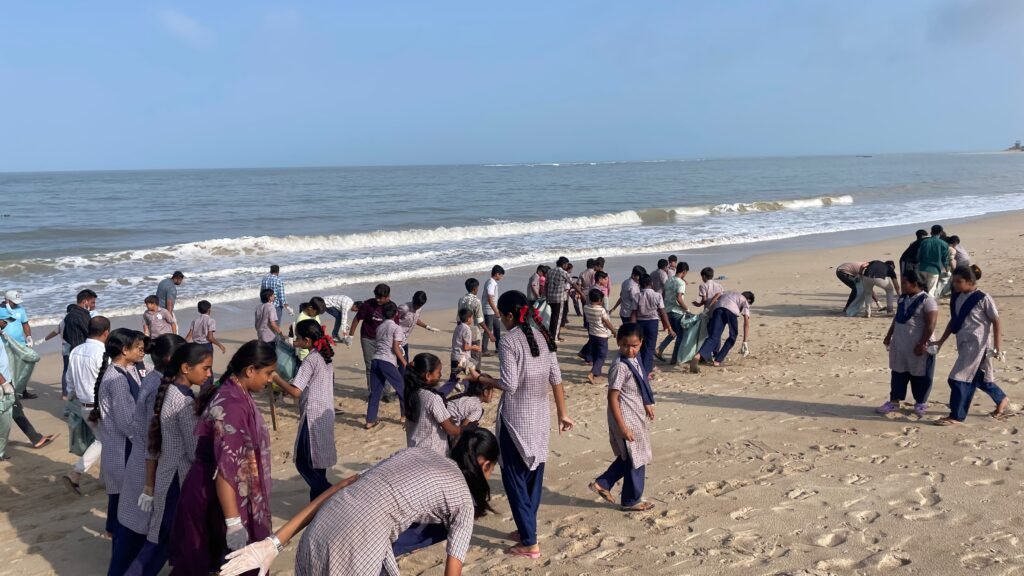
It is a matter of great privilege for Drishti Foundation Trust to have undertaken a coastal-cleaning initiative at Shivrajpur Beach in Devbhoomi Dwarka, Gujarat. Shivrajpur is recognised as Gujarat’s Blue Flag-certified beach and is among the state’s most important coastal destinations. Its natural beauty, ecological importance, tourism potential and spiritual significance make it a particularly meaningful location for environmental conservation.
Devbhoomi Dwarka holds a special place in India’s cultural and spiritual heritage. Associated with Lord Krishna, Dwarka attracts pilgrims and visitors from across the country and the world. The region is also home to the revered Nageshwar Jyotirlinga, one of the twelve traditionally recognised Jyotirlingas of Lord Shiva. This unique combination of natural beauty, religious significance and cultural heritage makes the protection of its surrounding environment especially important.
For Drishti Foundation Trust, the opportunity to contribute to the cleanliness of Shivrajpur Beach is both an environmental responsibility and a privilege. During its coastal-cleaning exercise, volunteers of the Trust removed more than 1,000 kilograms of plastic waste from the beach. This collective effort demonstrated the importance of community participation in protecting sensitive coastal environments and preserving destinations that hold immense ecological, cultural and tourism value.
The Trust’s engagement in Devbhoomi Dwarka also extends beyond coastal cleaning. Following the floods in 2024, Drishti Foundation Trust actively worked on the ground in the region, contributing to local response and relief efforts. These experiences reinforce the organisation’s belief that environmental conservation, disaster preparedness and community support are interconnected responsibilities.
Our objective is clear: to contribute towards cleaner coastlines, healthier marine ecosystems and greater public awareness about the importance of protecting Gujarat’s coastal heritage.
Shivrajpur Beach: A Blue Flag Destination That Deserves Protection
Shivrajpur Beach is located near Dwarka in Devbhoomi Dwarka district of Gujarat, along the Arabian Sea. Known for its clear coastal waters, natural surroundings and scenic landscape, it has become an important destination for domestic and international tourists.
The beach’s Blue Flag certification is particularly significant. The Blue Flag programme, coordinated internationally by the Foundation for Environmental Education, recognises beaches, marinas and sustainable tourism operators that meet specified criteria relating to environmental education, water quality, environmental management, safety and services.
A Blue Flag beach is not simply a beautiful tourist destination. Its certification represents an ongoing commitment to maintaining environmental standards and responsible management. Cleanliness, appropriate waste-management facilities, public awareness and protection of the surrounding environment are important aspects of this commitment.
Shivrajpur’s recognition places additional importance on maintaining its ecological and environmental quality. Every visitor, tourism operator, local business, government institution and civil society organisation has a role in protecting the beach.
Plastic pollution is one of the major challenges facing coastal destinations worldwide. Even beaches that receive substantial attention and maintenance can experience litter accumulation due to tourism, recreational activities, wind, tides and waste transported from surrounding areas.
Plastic bottles, food packaging, disposable containers, wrappers and other discarded materials can accumulate along the shoreline. If not collected and managed appropriately, these materials may be carried into the sea, where they can pose risks to marine wildlife and coastal ecosystems.
For a Blue Flag-certified destination such as Shivrajpur, maintaining cleanliness must be a continuous responsibility. Certification should inspire higher standards of environmental management, public participation and accountability rather than create a perception that the beach no longer faces pollution challenges.
Drishti Foundation Trust recognises this responsibility and considers its coastal-cleaning initiative an important contribution towards maintaining the environmental quality of this remarkable destination.
More Than 1,000 Kilograms of Plastic Waste Removed: A Collective Effort for Marine Conservation
One of the significant achievements of Drishti Foundation Trust’s marine conservation work in Devbhoomi Dwarka was the removal of more than 1,000 kilograms of plastic waste from Shivrajpur Beach.
The initiative brought volunteers together around a shared environmental objective: protecting the coastline from plastic pollution and contributing to a cleaner marine environment.
The quantity of waste collected highlights the seriousness of the plastic pollution challenge. Materials that may be used for only a few minutes can remain in the environment for considerably longer periods. When plastic waste is carelessly discarded, it can accumulate along beaches, enter coastal waters and eventually become part of the wider marine pollution problem.
The environmental consequences can be substantial. Marine animals may become entangled in discarded plastic materials or mistake smaller fragments for food. Plastic waste can also affect coastal habitats, interfere with natural processes and gradually fragment into microplastics.
Removing more than one tonne of plastic waste from Shivrajpur Beach was therefore an important practical intervention. It helped address visible waste accumulation while drawing public attention to the need for responsible consumption and disposal practices.
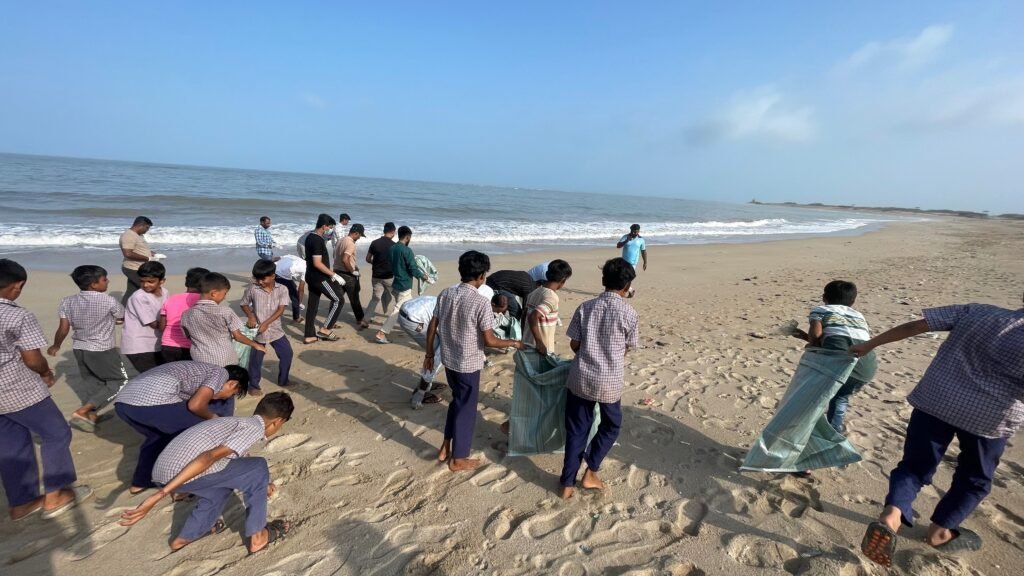
However, Drishti Foundation Trust understands that coastal cleaning is only one part of the solution. Removing existing waste must be accompanied by preventing new waste from reaching the beach. This requires public awareness, effective collection systems, waste segregation, responsible tourism and cooperation among local authorities, businesses and communities.
The initiative also reinforces an important message for visitors: a clean beach is a shared responsibility. Every tourist who avoids littering, every business that manages its waste responsibly and every citizen who participates in conservation contributes towards protecting the coastline.
For the Trust, the removal of more than 1,000 kilograms of plastic waste is not merely a numerical achievement. It represents collective action towards a larger environmental objective: protecting the Arabian Sea and preserving the natural beauty of Devbhoomi Dwarka.
Why Marine Conservation Is Essential for Human Life
Oceans are fundamental to the health of our planet and the survival of human communities. They influence global climate systems, absorb a substantial proportion of excess heat generated by global warming, support marine biodiversity and contribute to the global carbon cycle.
Marine ecosystems also provide food, employment and economic opportunities to millions of people. Fishing communities depend on healthy marine habitats, while coastal tourism supports businesses and local livelihoods.
The ecological importance of oceans extends beyond coastal populations. Marine organisms, particularly phytoplankton, contribute significantly to global oxygen production. Ocean circulation also influences weather patterns and the distribution of heat across the planet.
However, marine ecosystems are increasingly threatened by plastic pollution, untreated wastewater, habitat degradation, unsustainable fishing practices and climate change. These pressures can weaken ecological resilience and affect the natural systems upon which human societies depend.
Plastic pollution deserves particular attention because of its persistence and widespread distribution. Discarded packaging, bottles, fishing materials and other plastic products can travel considerable distances through rivers, drainage channels, winds and ocean currents.
Once plastic enters the marine environment, retrieving it becomes increasingly difficult. Larger objects can fragment into smaller particles, including microplastics, which have been detected across marine environments.
This is why marine conservation must focus on both cleaning and prevention. Beach-cleaning initiatives can remove accessible waste, but long-term protection requires reducing plastic consumption, improving waste-management infrastructure and preventing litter from entering waterways.
Drishti Foundation Trust believes that marine conservation must become a shared priority for governments, industries, educational institutions, environmental organisations and individual citizens.
Devbhoomi Dwarka: Where Environmental Conservation Meets Spiritual Heritage
Devbhoomi Dwarka is not just a geographical destination; it represents an important part of India’s spiritual and cultural identity. Dwarka is traditionally associated with Lord Krishna and is one of the four sacred Char Dham pilgrimage destinations. The presence of the Nageshwar Jyotirlinga further enhances the religious significance of this region.
Thousands of pilgrims and tourists visit Dwarka and its surrounding destinations every year. Shivrajpur Beach offers visitors an opportunity to experience the natural beauty of Gujarat’s coastline, while the surrounding region represents a valuable combination of cultural heritage, tourism and ecological resources.
This connection between spirituality and nature provides a meaningful perspective on environmental responsibility. Indian traditions have historically recognised the importance of rivers, forests, mountains and oceans. Respect for nature is deeply embedded in our cultural values, and protecting the environment is consistent with the principles of responsible living and collective welfare.
Drishti Foundation Trust believes that protecting the coastline of Devbhoomi Dwarka is also a way of preserving the natural heritage of a spiritually significant region. A destination that attracts pilgrims and tourists from across India deserves an environment that reflects cleanliness, responsibility and respect for nature.
The Trust’s coastal-cleaning initiative at Shivrajpur Beach represents an effort to connect environmental action with this larger responsibility. By mobilising volunteers and removing plastic waste, the organisation seeks to encourage visitors and local communities to recognise that preserving natural beauty requires continuous participation.
A spiritually important destination should also become a model for environmental responsibility. Clean beaches, healthy marine ecosystems and responsible tourism practices can strengthen the region’s identity as a destination that values both its cultural heritage and natural environment.
Drishti Foundation Trust’s Work on the Ground Following the 2024 Floods
Drishti Foundation Trust’s engagement in Devbhoomi Dwarka is not limited to marine conservation. Following the floods in 2024, the organisation actively worked on the ground in the region, contributing to efforts addressing the challenges faced by affected communities.
Floods can have serious consequences for both people and the environment. Apart from damage to homes, infrastructure and livelihoods, floodwaters can transport solid waste, plastics, sediments and other pollutants into rivers, drainage channels and coastal areas.
The environmental consequences may continue even after floodwaters recede. Accumulated debris, damaged waste-management infrastructure and pollution of water bodies can create additional challenges for communities and local ecosystems.
Such situations demonstrate why disaster response and environmental management must be considered together. Immediate relief is essential, but recovery also requires attention to sanitation, safe waste disposal, restoration of affected public spaces and protection of natural resources.
Drishti Foundation Trust’s involvement in the region following the 2024 floods reflects its commitment to community support and environmental responsibility. It also reinforces the importance of developing stronger relationships with local stakeholders and institutions so that communities are better prepared to respond to environmental emergencies.
The experience has further strengthened the Trust’s understanding that coastal conservation cannot be separated from the broader environmental conditions of the surrounding region. Healthy ecosystems, responsible waste management and community preparedness can contribute to more resilient coastal communities.
The Importance of Responsible Tourism and Public Participation
Shivrajpur Beach’s popularity as a tourist destination brings opportunities for local economic development, but tourism also creates environmental responsibilities.
Visitors generate waste through food packaging, disposable bottles, plastic bags and other consumer products. Without appropriate collection and disposal arrangements, this waste can accumulate along the shoreline and affect the beach environment.
Responsible tourism begins with simple practices. Visitors should avoid littering, minimise disposable plastic consumption, use designated waste bins and respect the natural surroundings. Tourism operators and businesses should ensure that waste is collected and managed responsibly.
Local authorities have an important role in providing waste-management facilities, monitoring cleanliness and maintaining appropriate environmental standards. Educational institutions and voluntary organisations can complement these efforts through awareness campaigns and community participation.
Drishti Foundation Trust encourages a people-centred approach to coastal conservation in which local communities and visitors are active participants rather than passive observers.
The Trust believes that environmental awareness should extend beyond organised cleaning activities. Every visitor should leave the beach without leaving waste behind. Every business should recognise its responsibility towards the surrounding ecosystem. Every community should have an opportunity to participate in protecting its natural resources.
This collective approach is essential to maintaining the environmental quality of a Blue Flag destination.
Beyond Beach Cleaning: Building a Long-Term Marine Conservation Programme
Drishti Foundation Trust recognises that the long-term protection of marine ecosystems requires a comprehensive strategy that goes beyond periodic coastal-cleaning exercises.
First, plastic waste must be reduced at its source. Encouraging reusable alternatives, responsible packaging and reduced dependence on unnecessary single-use plastics can help prevent waste generation.
Second, waste segregation and collection systems must be strengthened. Materials collected from coastal areas should be appropriately segregated and transferred to suitable authorised waste-management channels.
Third, environmental awareness must be continuous. Schools, colleges, tourism operators, businesses and community organisations can play an important role in educating people about marine pollution and biodiversity protection.
Fourth, coastal ecosystems must be protected through responsible management. Mangroves, intertidal habitats and other sensitive ecosystems require special attention. Cleaning activities should be planned carefully to avoid disturbing wildlife and fragile habitats.
Finally, environmental initiatives should be documented and assessed. Recording the quantity and categories of waste collected, the locations covered and the number of participating volunteers can help evaluate operational progress and identify recurring pollution problems.
Drishti Foundation Trust aims to encourage these principles through its environmental initiatives across Gujarat and other parts of India.
A Cleaner Shivrajpur, A Healthier Arabian Sea and a Sustainable Future
It is a privilege for Drishti Foundation Trust to contribute to marine conservation at Shivrajpur Beach in Devbhoomi Dwarka, Gujarat. The opportunity to work at the state’s Blue Flag-certified beach, in a region associated with Lord Krishna and the revered Nageshwar Jyotirlinga, makes this environmental responsibility particularly meaningful.
The removal of more than 1,000 kilograms of plastic waste by the Trust’s volunteers demonstrates the importance of collective action in protecting coastal ecosystems. Our involvement in Devbhoomi Dwarka following the 2024 floods further reflects our commitment to supporting communities and addressing environmental challenges on the ground.
For Drishti Foundation Trust, marine conservation is a continuing commitment. It is connected with our wider work in river rejuvenation, water conservation, biodiversity protection and ecosystem restoration. We believe that protecting our rivers, beaches and oceans requires responsible behaviour, institutional cooperation and sustained public participation.
The future of our marine ecosystems depends on the choices we make today. We must reduce plastic consumption, prevent waste from entering waterways, protect coastal biodiversity and encourage responsible tourism.
Let us protect Shivrajpur Beach. Let us preserve the natural heritage of Devbhoomi Dwarka. Let us keep Gujarat’s coastline cleaner and our oceans healthier.
Drishti Foundation Trust invites corporate organisations, CSR foundations, educational institutions, government departments, volunteers and concerned citizens to join hands in strengthening marine conservation and coastal protection initiatives.
Together, we can contribute to a cleaner coastline, healthier marine ecosystems and a sustainable future for generations to come.
Protect Our Oceans. Preserve Our Heritage. Keep Our Coastlines Clean.
Support Drishti Foundation Trust’s Marine Conservation Initiatives: Participate in coastal-cleaning activities, mobilise volunteers, support plastic pollution prevention and become a partner in protecting India’s marine environment.
Related Post
Importance of Traditional Plantation for Biodiversity Development in India
Traditional plantation practices in India play a vital role in restoring biodiversity, strengthening rural ecosystems, [...]
“Reviving the Sabarmati: Drishti Foundation Trust’s Visionary River Cleaning Initiative”
“Reviving the Sabarmati: Drishti Foundation Trust’s Visionary River Cleaning Initiative” Introduction In the heart of [...]