
Restoring Gujarat’s Rivers, Stepwells and Coastlines: Drishti Foundation Trust’s Commitment to Environmental Conservation
Water is the foundation of life, ecosystems, communities and sustainable development. Rivers, lakes, ponds, stepwells and coastal ecosystems are not merely geographical features; they are essential natural resources that support biodiversity, livelihoods, agriculture, public health and environmental stability. However, increasing urbanisation, improper waste disposal, plastic pollution, encroachment and the deterioration of traditional water structures have placed considerable pressure on these invaluable resources. Restoring them requires sustained action, scientific understanding, community participation and cooperation among government institutions, civil society organisations and local communities.
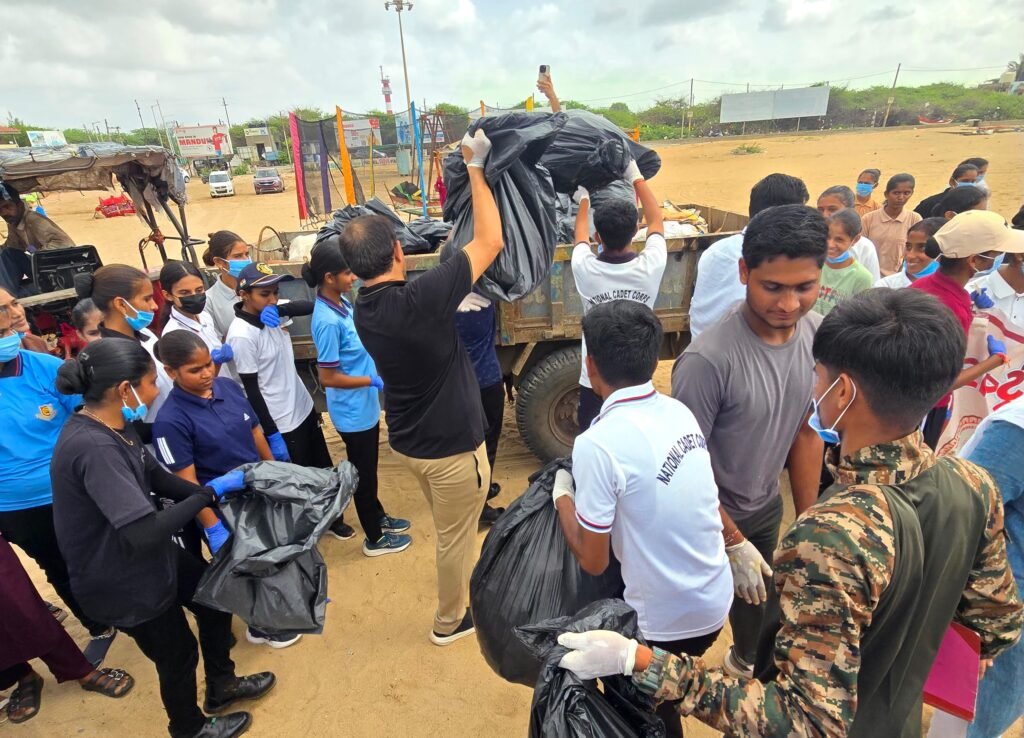
Drishti Foundation Trust has been actively working towards environmental conservation in Gujarat, focusing on river rejuvenation, water conservation, restoration of historical stepwells and coastal cleaning. The Trust’s initiatives reflect a broader commitment to protecting water resources and restoring ecological balance through practical interventions and community participation.
From removing more than 900 tonnes of garbage from the Sabarmati River to undertaking the Bhogavo River cleaning drive in Dholera Special Investment Region (SIR), Drishti Foundation Trust has been contributing to efforts aimed at improving the condition of important water bodies. Alongside river conservation, the organisation has successfully undertaken stepwell restoration initiatives in Mehsana, Kheda and Bhavnagar, helping bring attention to Gujarat’s traditional water heritage.
The Trust has also expanded its environmental engagement to coastal ecosystems. In a significant initiative at the historic Mandvi Beach in Kutch, a team of more than 200 volunteers, working in association with the local Municipality and Forest Department, participated in a coastal-cleaning exercise and removed more than 1,200 kilograms of plastic waste.
These initiatives demonstrate that environmental conservation requires an integrated approach. Rivers, traditional water structures and coastal ecosystems are interconnected components of the natural environment. Protecting one without recognising the importance of the others can limit the effectiveness of conservation efforts. Drishti Foundation Trust therefore approaches environmental protection as a continuing responsibility that extends from inland water bodies to the coastline.
Reviving the Sabarmati River: Removing More Than 900 Tonnes of Garbage
The Sabarmati River holds significant ecological, historical and cultural importance in Gujarat. Flowing through different landscapes and settlements, it is closely connected with the lives of communities across the region. Ahmedabad, in particular, shares a deep historical and geographical relationship with the river.
Over the years, urban expansion, solid-waste disposal, pollution and other human activities have created environmental challenges for river ecosystems. Waste accumulated along riverbanks and in accessible river stretches can affect the surrounding environment, obstruct natural drainage in certain locations and create risks for aquatic and terrestrial biodiversity.
Recognising the importance of river conservation, Drishti Foundation Trust has been associated with cleaning and rejuvenation efforts along the Sabarmati. Through its intervention, more than 900 tonnes of garbage have been removed from the river environment.
This achievement represents a substantial operational contribution towards addressing accumulated waste and improving the condition of the areas covered by the cleaning activities. It also highlights the scale of the waste-management challenge facing urban water bodies.
However, river rejuvenation involves much more than removing visible garbage. A river is a complex ecological system influenced by its catchment, water quality, tributaries, drainage networks, surrounding land use and biodiversity. Effective restoration therefore requires attention to the sources of pollution, wastewater management, solid-waste disposal, ecological flows and the protection of riverbanks.
Drishti Foundation Trust recognises that cleaning is an important starting point, but preventing pollution from returning is equally essential. Community awareness, responsible waste disposal and institutional coordination must complement physical cleaning activities.
The Sabarmati experience reinforces an important environmental message: our rivers should not be treated as disposal channels for urban waste. They are living natural systems that deserve protection, responsible management and sustained public attention.
Bhogavo River Cleaning Drive: Extending River Conservation to Dholera SIR
Building on its engagement with river-cleaning initiatives, Drishti Foundation Trust has also undertaken the Bhogavo River cleaning drive in the Dholera Special Investment Region (SIR).
Dholera is an important planned development region in Gujarat, and the protection of its natural resources is relevant to its long-term environmental sustainability. As infrastructure and urban development progress, safeguarding rivers, drainage systems and surrounding ecological areas becomes particularly important.
The Bhogavo River is an important part of the local geographical and environmental landscape. Like other water bodies, it can face pressure from discarded solid waste, plastic litter and activities that affect the surrounding environment. Addressing these concerns at an early stage can help strengthen environmental responsibility alongside regional development.
Through the Bhogavo River cleaning initiative, Drishti Foundation Trust seeks to contribute to the removal of accumulated waste and promote awareness about the importance of maintaining clean water bodies. The initiative also highlights the need to integrate environmental protection into the planning and development of emerging urban and industrial regions.
River-cleaning exercises can provide immediate improvements in accessible locations, but their long-term value depends on effective waste collection, proper disposal, regular monitoring and the prevention of further dumping.
For this reason, the Trust considers collaboration with local stakeholders and relevant authorities an important component of river conservation. A clean river requires shared responsibility, and development must be supported by environmental safeguards that protect natural resources for future generations.
Restoring Gujarat’s Traditional Water Heritage: Stepwells in Mehsana, Kheda and Bhavnagar
Gujarat has a remarkable history of traditional water conservation. Its stepwells, locally known as vavs, represent an important combination of engineering, architecture, cultural heritage and community water management.
Historically, stepwells provided access to groundwater and served as important community spaces, particularly in regions where seasonal water availability was a major concern. Their design allowed people to access water at different levels depending on groundwater conditions. Many structures also reflected exceptional architectural craftsmanship and cultural significance.
Today, numerous historical stepwells face challenges arising from neglect, accumulated garbage, vegetation growth, structural deterioration and changes in groundwater conditions. Some have gradually lost their original function and are no longer adequately maintained.
Drishti Foundation Trust has undertaken stepwell restoration initiatives in Mehsana, Kheda and Bhavnagar, contributing to the preservation of these traditional water structures.
These initiatives are important because stepwell restoration connects environmental conservation with heritage protection. Removing accumulated waste and addressing neglect can improve the condition of a structure, make its historical significance more visible and encourage communities to recognise the importance of traditional water-management systems.
However, responsible restoration must go beyond superficial cleaning. Historical structures require appropriate assessment of their architectural condition, groundwater characteristics and conservation requirements. Structural repairs, where necessary, should follow suitable heritage conservation practices and involve qualified professionals.
Stepwells can also serve as educational resources. They demonstrate how earlier communities developed practical systems for collecting and accessing water, adapted to local geography and climatic conditions. Their preservation can inspire contemporary discussions about water security, groundwater conservation and climate resilience.
The restoration work in Mehsana, Kheda and Bhavnagar reflects Drishti Foundation Trust’s belief that sustainable development should respect both natural resources and cultural heritage. Protecting traditional water structures is not simply about preserving the past; it is about recognising knowledge and practices that can inform a more water-conscious future.
Coastal Conservation in Gujarat: Extending Environmental Action Towards the Sea
Gujarat’s extensive coastline supports diverse marine and coastal ecosystems, fishing communities, tourism and economic activity. Beaches, mangroves, estuaries, mudflats and intertidal habitats provide important ecological services and support a wide range of marine and coastal biodiversity.
Despite their importance, these ecosystems face increasing pressure from plastic pollution, unmanaged solid waste, discarded fishing materials, wastewater and other human activities.
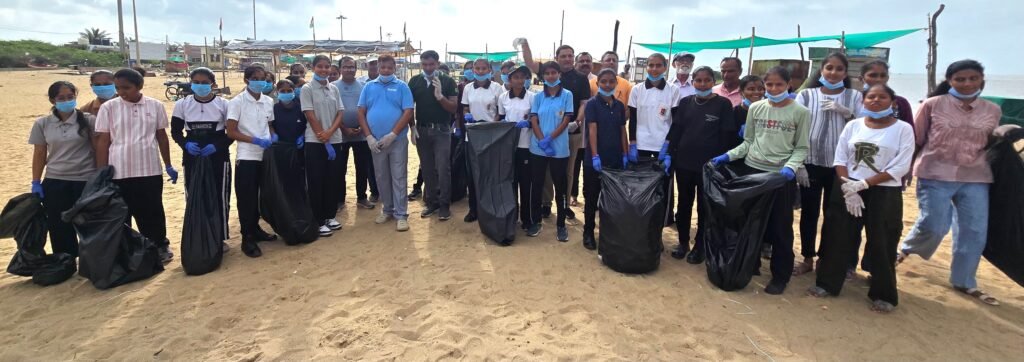
Plastic pollution is particularly concerning because discarded materials can remain in the environment for extended periods. Plastic bottles, packaging, food wrappers and other waste may be carried by wind, rainfall and tidal movements into sensitive coastal and marine habitats. Marine animals may become entangled in discarded materials or mistake plastic fragments for food.
Drishti Foundation Trust has extended its environmental conservation activities to coastal cleaning across Gujarat, recognising that marine conservation must be connected with inland waste management and river protection.
The relationship between rivers and oceans is particularly important. Waste discarded in inland areas can enter drains and waterways before eventually reaching coastal environments. Therefore, cleaning rivers, preventing plastic pollution and maintaining clean beaches are complementary components of an integrated environmental strategy.
The Trust’s coastal-cleaning activities aim to reduce visible pollution, encourage responsible waste disposal and mobilise citizens to participate in protecting Gujarat’s coastal heritage.
One of the significant examples of this work is the coastal-cleaning exercise at the historic Mandvi Beach in Kutch.
Mandvi Beach, Kutch: More Than 200 Volunteers Remove 1,200 Kilograms of Plastic Waste
Mandvi Beach is one of the historically significant and well-known coastal destinations in Kutch, Gujarat. Its natural beauty, cultural importance and connection with the Arabian Sea make it an important part of the region’s coastal heritage. Like many popular beaches, however, Mandvi faces environmental challenges associated with plastic waste, littering and the accumulation of discarded materials.
Understanding the importance of protecting this coastal environment, Drishti Foundation Trust organised a major coastal-cleaning exercise at Mandvi Beach in association with the local Municipality and Forest Department.
The initiative witnessed the participation of more than 200 volunteers who came together with a common objective of protecting the coastline from plastic pollution. Through collective efforts, the team successfully removed more than 1,200 kilograms of plastic waste from the beach.
This initiative represents an important example of cooperation between civil society, government institutions and community volunteers. The participation of more than 200 individuals demonstrates the potential of organised public action in addressing environmental challenges.
The removal of over 1,200 kilograms of plastic waste is a significant contribution towards improving the cleanliness of the beach. It also draws attention to the larger issue of plastic pollution and the importance of preventing waste from reaching coastal and marine ecosystems.
The association with the local Municipality and Forest Department further highlights the importance of institutional coordination in environmental conservation. Government departments, local administrative bodies and voluntary organisations can achieve stronger results when they work towards clearly defined environmental objectives.
For Drishti Foundation Trust, the Mandvi initiative was not merely a beach-cleaning exercise. It was an effort to encourage environmental responsibility, strengthen community participation and remind citizens that protecting our beaches is a shared obligation.
The Trust believes that such initiatives should be supported by regular monitoring, appropriate waste collection and disposal arrangements, public awareness and responsible tourism practices. Cleaning a beach is an important intervention, but maintaining its cleanliness requires continuous cooperation.
The Mandvi initiative also provides an opportunity to engage young people and local communities in understanding the relationship between plastic consumption, waste disposal and marine biodiversity. Every volunteer who participates in such activities becomes an important contributor to environmental awareness within their own community.
Why Integrated River and Coastal Conservation Matters
The environmental initiatives undertaken by Drishti Foundation Trust demonstrate the importance of looking at water conservation as an interconnected responsibility.
Rivers transport water, sediments and nutrients across landscapes. Their condition influences downstream ecosystems, including estuaries and coastal environments. When rivers carry untreated waste and plastic litter towards the sea, the resulting pollution can affect marine habitats and coastal biodiversity.
Similarly, stepwells and traditional water structures represent important elements of local water security and cultural heritage. Their restoration helps communities reconnect with traditional conservation practices and understand the importance of protecting groundwater resources.
An integrated approach to environmental conservation should therefore include river cleaning, pollution prevention, traditional water-body restoration, coastal cleaning, biodiversity protection and environmental education.
Drishti Foundation Trust’s activities across the Sabarmati, Bhogavo River, historical stepwells and Gujarat’s coastline reflect this wider understanding.
The removal of more than 900 tonnes of garbage from the Sabarmati, the Bhogavo River cleaning drive in Dholera SIR, stepwell restoration initiatives in Mehsana, Kheda and Bhavnagar, and the removal of more than 1,200 kilograms of plastic waste from Mandvi Beach represent different dimensions of the same environmental commitment.
Each initiative addresses a specific environmental concern, but together they contribute to a larger vision of sustainable water-resource management and ecosystem protection.
The Importance of Community Participation and Corporate Partnerships
Environmental conservation cannot be achieved by individual organisations working in isolation. It requires cooperation between government departments, local authorities, educational institutions, research organisations, businesses and citizens.
Volunteer participation is particularly valuable because it transforms environmental awareness into practical action. When people participate in cleaning rivers and beaches, they develop a better understanding of the challenges facing their surroundings and the importance of responsible waste disposal.
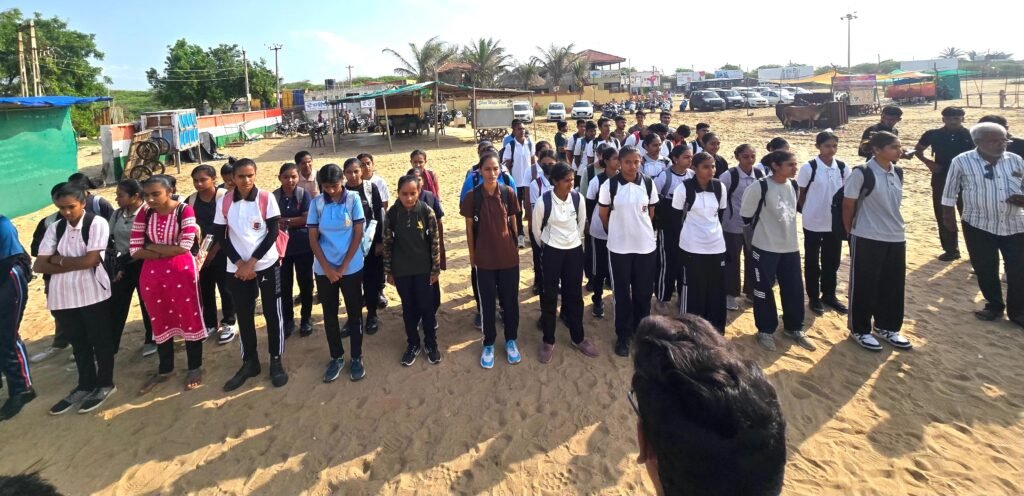
Corporate organisations can also play an important role by supporting environmental programmes through Corporate Social Responsibility initiatives, employee volunteering, financial assistance and technical expertise.
Educational institutions can contribute through student participation, research, environmental awareness programmes and field-based learning. Local communities can help identify pollution hotspots, monitor vulnerable locations and encourage responsible practices.
Drishti Foundation Trust believes that partnerships should focus on measurable environmental outcomes, responsible implementation and long-term sustainability. Environmental initiatives must be planned with clear objectives, appropriate safety arrangements, transparent documentation and suitable waste-disposal mechanisms.
The Trust encourages organisations and individuals to become active partners in environmental conservation, particularly in areas where local participation can make a meaningful difference.
Our Vision: Cleaner Rivers, Restored Water Heritage and Plastic-Free Coastlines
Drishti Foundation Trust envisions a future in which Gujarat’s rivers are protected from preventable pollution, traditional water structures are restored and maintained, and coastal ecosystems remain healthier for future generations.
Achieving this vision requires consistent action. River cleaning must be supported by pollution prevention and improved waste management. Stepwell restoration must be accompanied by appropriate conservation and maintenance. Coastal cleaning must be complemented by reduced plastic consumption, effective waste collection and protection of sensitive marine habitats.
The Trust aims to continue encouraging environmental awareness, mobilising volunteers and strengthening institutional partnerships to support these objectives.
We also recognise that environmental impact must be assessed responsibly. The quantity of waste removed is an important measure of operational achievement, but lasting conservation requires evidence of reduced pollution, improved waste-management practices and sustained protection of ecosystems.
This is why documentation, follow-up activities and community engagement remain important elements of environmental work.
Protecting Gujarat’s Natural Heritage Is Our Collective Responsibility
From the Sabarmati River to the Bhogavo River in Dholera, from historical stepwells in Mehsana, Kheda and Bhavnagar to the coastal landscapes of Mandvi in Kutch, Drishti Foundation Trust is committed to contributing to environmental conservation across Gujarat.
The removal of more than 900 tonnes of garbage from the Sabarmati, the restoration of traditional water structures and the participation of more than 200 volunteers in removing over 1,200 kilograms of plastic waste from Mandvi Beach demonstrate the importance of sustained environmental engagement.
These initiatives remind us that environmental protection is not the responsibility of one organisation, one department or one community. It is a collective responsibility that requires participation from every section of society.
Our rivers need protection, our historical water structures deserve restoration and our coastlines must be safeguarded from plastic pollution. Every responsible action contributes to this larger purpose.
Drishti Foundation Trust invites corporates, CSR foundations, government institutions, educational organisations, volunteers and citizens to join hands in protecting Gujarat’s rivers, restoring its traditional water heritage and keeping its coastline cleaner.
Let us work together towards a future where clean rivers, restored stepwells and healthy coastlines become a lasting legacy for generations to come.
Partner with us in river rejuvenation, stepwell restoration, water conservation, coastal cleaning and biodiversity protection initiatives across India.
Protect Our Rivers. Restore Our Water Heritage. Clean Our Coastlines. Secure Our Future.
Related Post
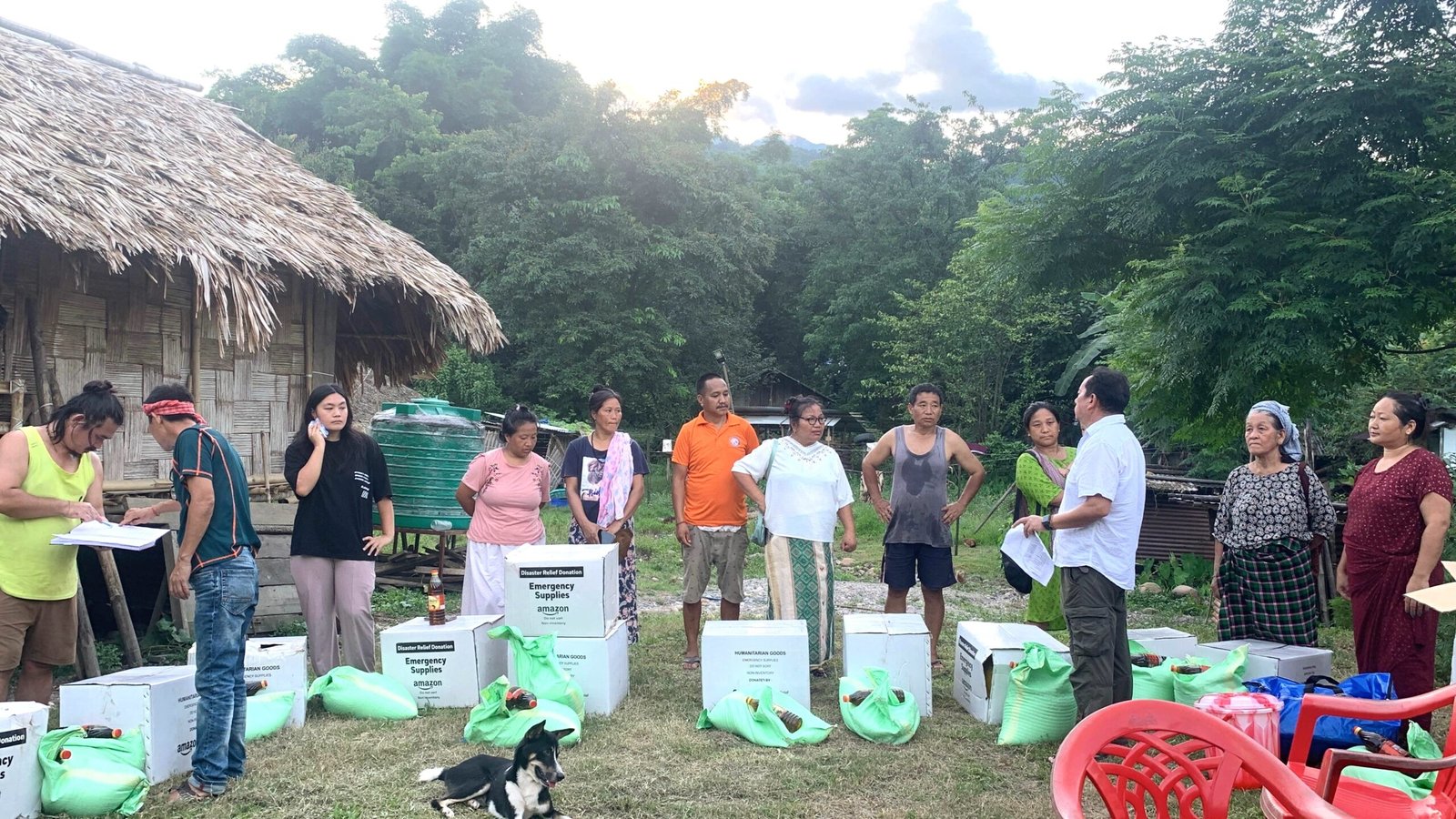
Standing Together in Crisis: Drishti Foundation Trust’s Humanitarian Response to Flash Floods in Arunachal Pradesh
Drishti Foundation Trust, in collaboration with the State Disaster Management Authority and district administration, is [...]